Designing for Wildfire: How Architects Help Create Safer Homes
The solution lies in thoughtful design, smart material choices and understanding the unique characteristics of each site.

Photo: David Patterson Photography
Wildfires are becoming an increasing part of life in Colorado and throughout the Rocky Mountain region. With changing weather patterns, dry conditions and longer fire seasons, homeowners are asking an important question: “How can I better protect my home?”
The answer is not one single product or solution — it comes from thoughtful design, smart material choices and understanding the unique characteristics of each site. As Colorado continues to adapt to these challenges, new building regulations are also shaping the way we design homes.

Photo: Sam Eck Photography
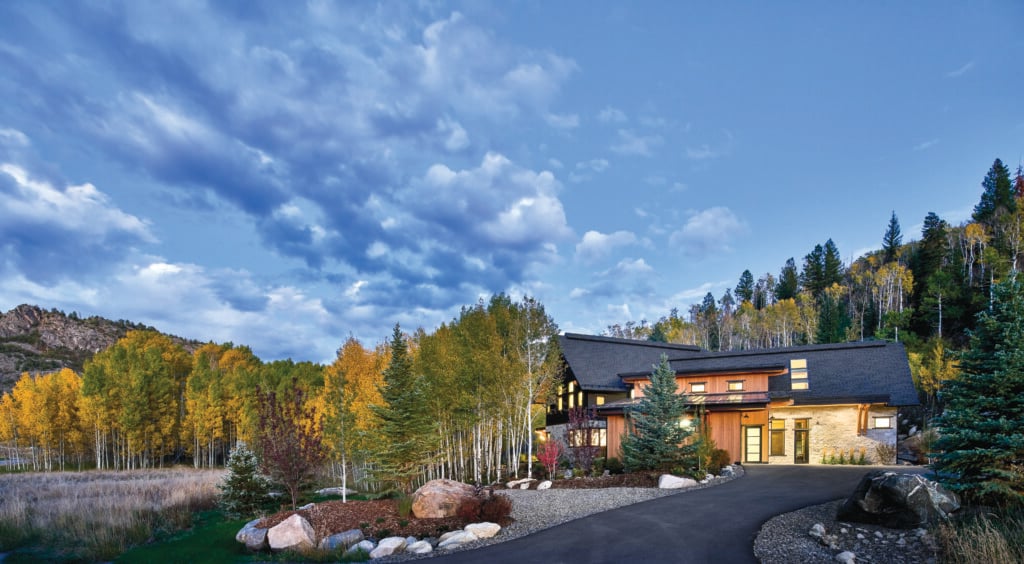
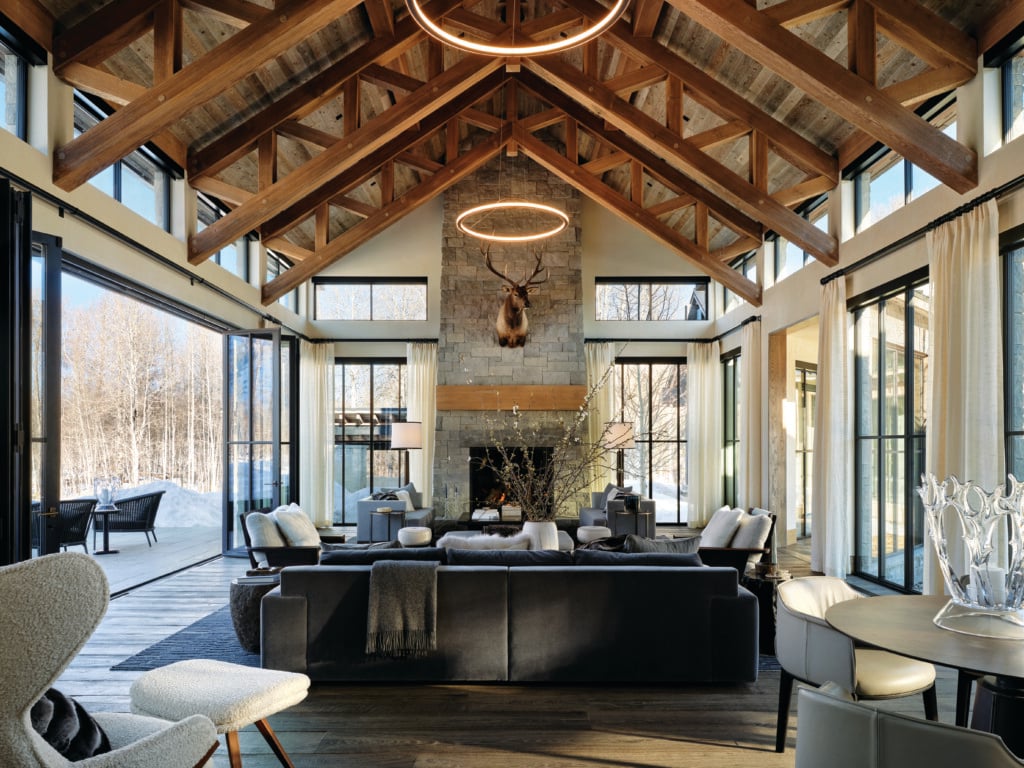
One of the first things architects consider is the building envelope; the materials that protect your home from the outside elements. Fire-resistant materials, including those meeting requirements such as CalFire & Appendix Z, can help improve a home’s ability to withstand wildfire conditions. This may include Class A rated roofing, stone, brick, cementitious products, fire-treated wood and appropriately sized heavy timber. Heavy timber is especially interesting because when exposed to fire, the outer layer chars, creating a protective barrier for the wood beneath.

Photo: David Patterson Photography
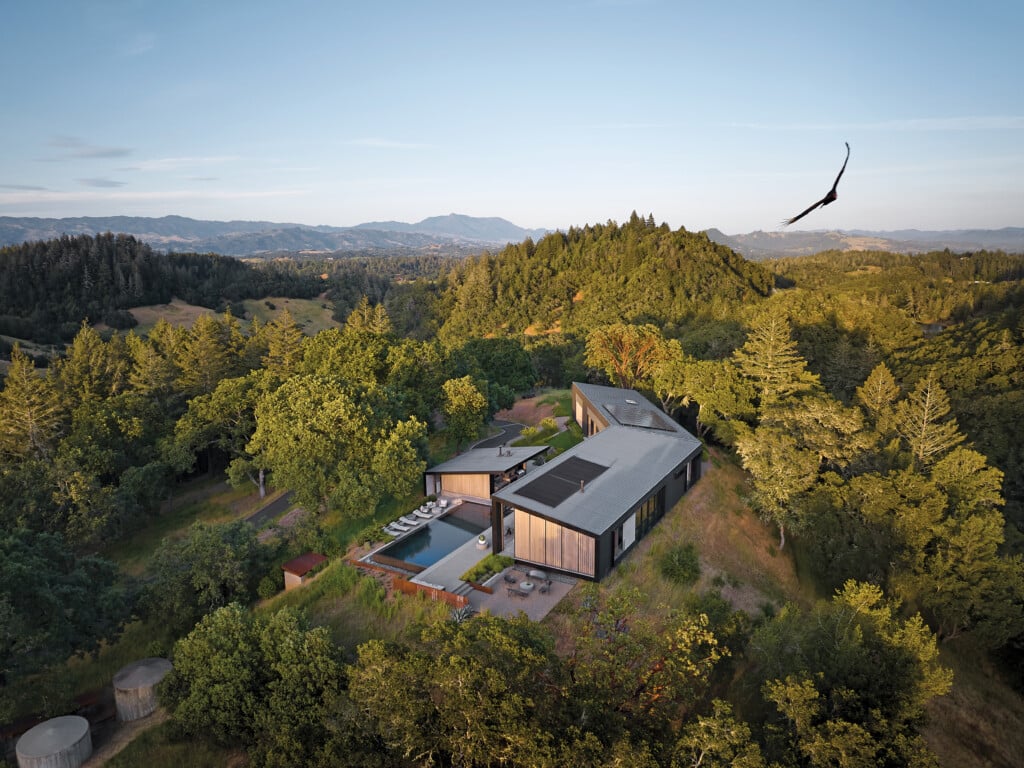
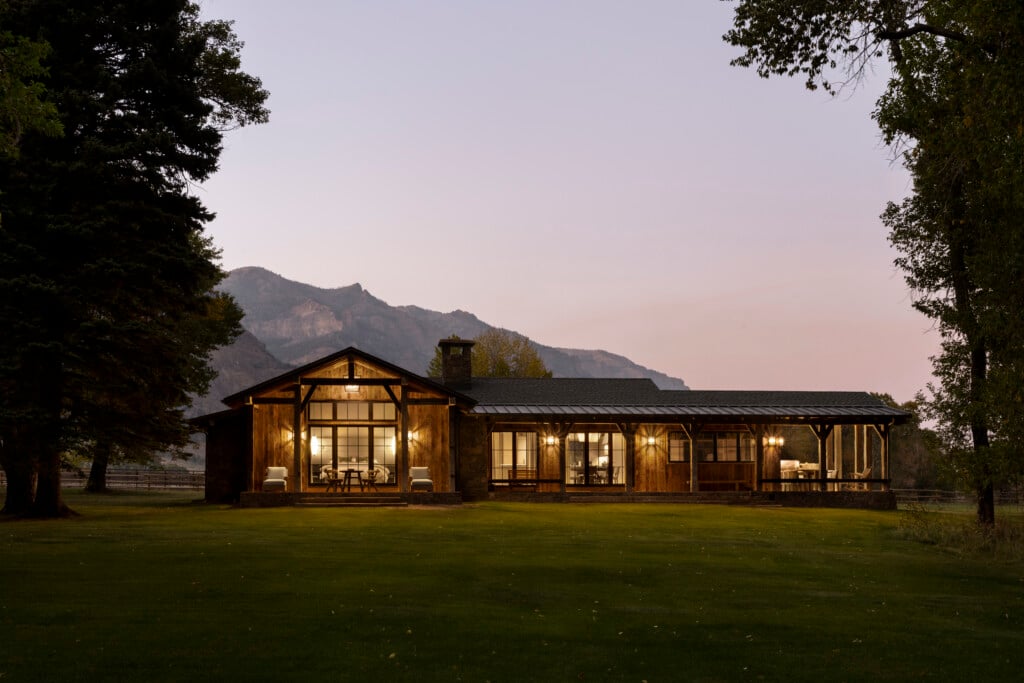
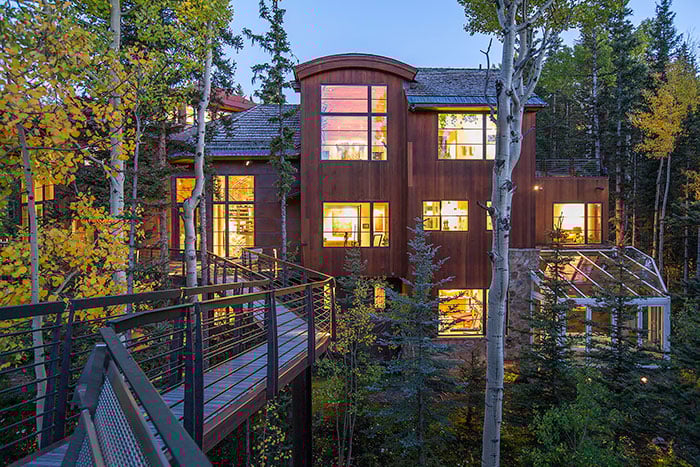
Beyond the home itself, the surrounding landscape plays a major role. Fire Mitigation Zones (also called defensible space) focus on creating areas around the home where vegetation is carefully managed. The closer you get to the house, the more intentional the landscape design becomes. Reducing dense trees and shrubs helps limit the ability of fire to move from one fuel source to another.

Photo: Tim Gormley/TG Image
Wood-burning fireplaces and fire pits are becoming increasingly regulated throughout Colorado due to air quality and wildfire concerns. If permitted, many jurisdictions will limit their use during high-risk conditions. For new construction or remodels, gas and electric fireplaces are often considered as safer alternatives while still creating the warmth and gathering spaces homeowners love.

Photo: Tim Gormley/ TG Image
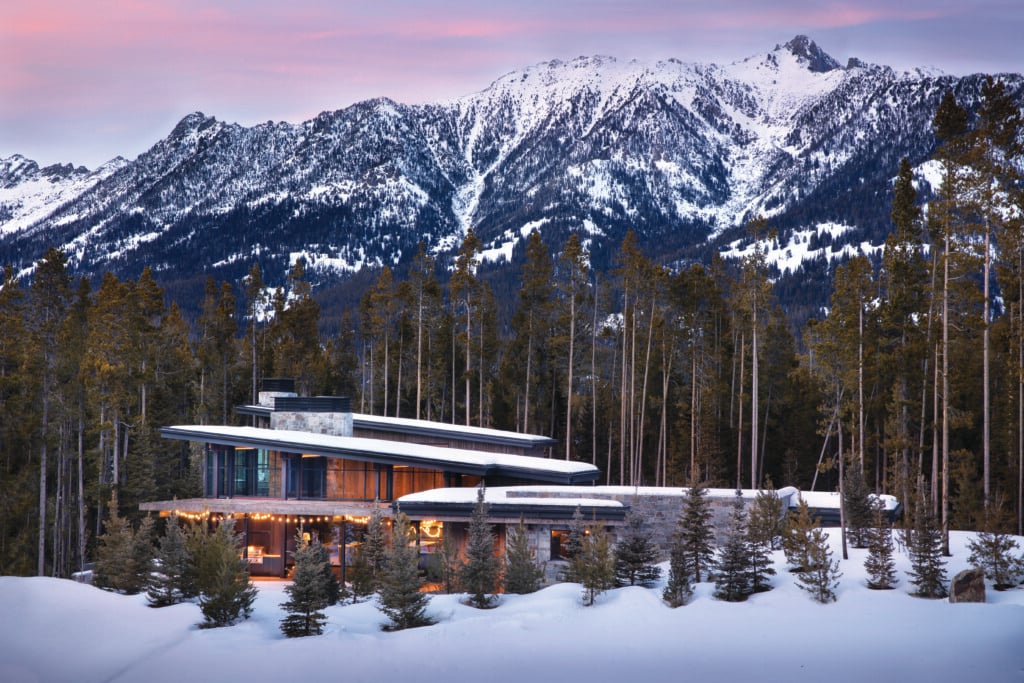
When designing a custom home, an architect looks beyond the walls of the house. We work with homeowners, builders and local fire departments to understand the specific challenges of each property. On mountain sites, one of the most important — and sometimes overlooked — considerations is emergency access. A beautiful remote property is only as safe as the ability for emergency responders to reach it, which means driveway width and turning areas matter.

Photo: Courtesy of TKP Architects
Another important conversation for homeowners is insurance. In many fire-prone areas, insurance availability and cost can significantly impact a project. Before purchasing land or beginning design, we recommend confirming that coverage is available for the property and the type of home you plan to build.

Photo: Courtesy of TKP Architects
Every home, site and community is different. The best designs respond to their surroundings while still reflecting the way homeowners want to live. Fire-resilient design does not mean sacrificing beauty or creating a home that feels overly protected — the best solutions are thoughtfully integrated and often go unnoticed. Even outside of high-risk wildfire areas, consider these strategies, as they create a safer, more resilient home for you and your family. By involving your architect early, you can identify challenges you may not have anticipated and make informed decisions that balance safety, design and budget from the beginning.
Kat Shelby is a Project Manager at TKP Architects based in Golden, Colorado. For over 40 years, TKP Architects has been designing award-winning, memorable, custom homes for the West’s most discriminating clients. View their profile or contact them at 303-278-8840.
Sponsored content for this article provided by TKP Architects.