The Art of Designing a Restorative Home
Tips for transforming your home into a rejuvenating sanctuary.

Photo: Roger Davies
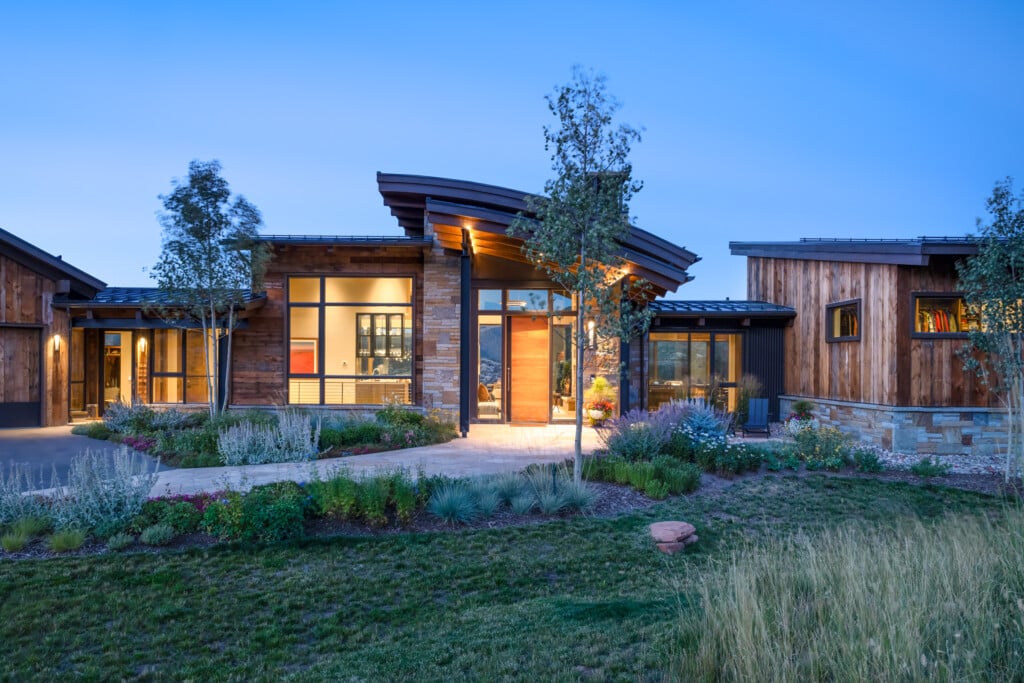
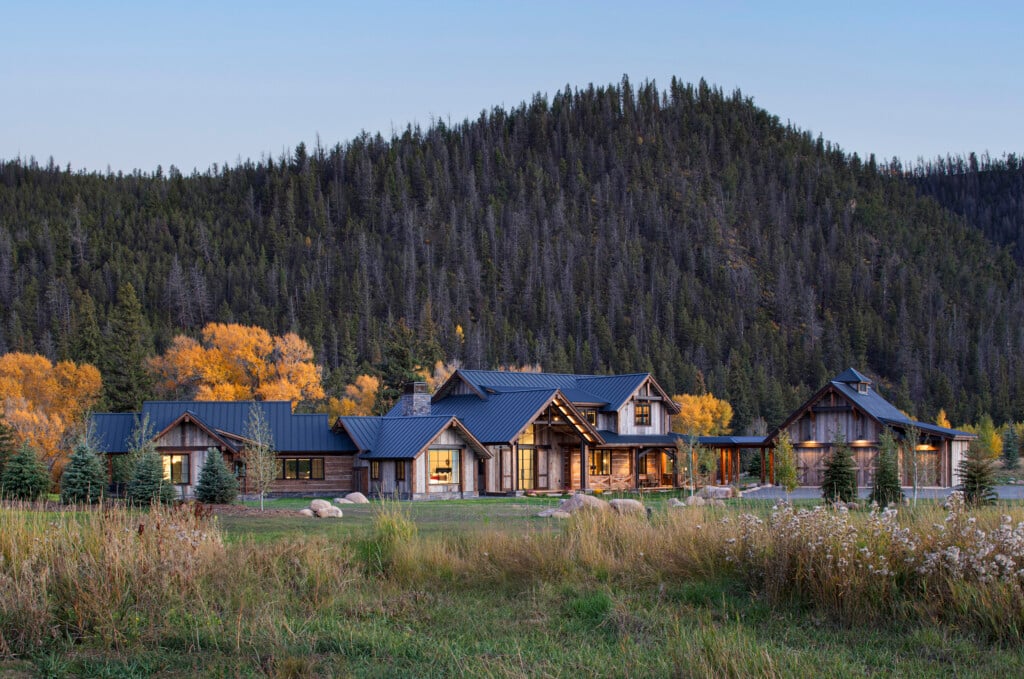
In mountain interiors, thoughtful design can create a profound sense of connection—to nature, to place and to the people who gather there. From organically inspired materials and color palettes to layered textures and tactile fabrics to functional layouts and playful touches, here are guiding principles to create a home that not only shelters, but nurtures.
Let Nature Set the Tone

Photo: Roger Davies
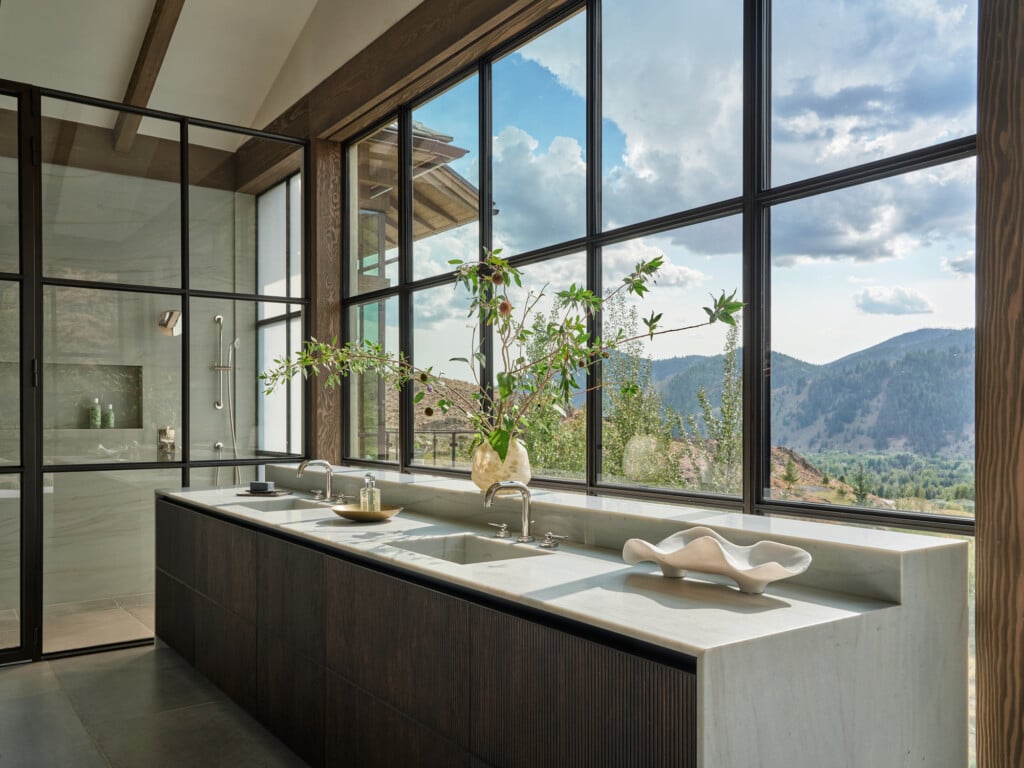
The most restorative interiors often begin with a deep understanding of place. In a mountain home, the landscape offers an extraordinary point of departure: the character of local stone, the warmth and grain of wood, the softness of wool and natural fibers and a palette drawn from the surrounding terrain.
These materials create interiors that feel grounded and enduring rather than overly composed. In a primary bath, for example, quiet materials and a restrained palette can transform a highly functional room into a private retreat. The goal is not minimalism for its own sake, but an intentional editing of the environment allowing texture, light and materiality to speak.
Create Space for Stillness

Photo: Eric Piasecki
A bedroom should offer a natural transition from the pace of the day to a quieter state of mind. Layered textures, tactile fabrics and a thoughtful palette create a sense of warmth and ease, while upholstered furnishings invite lingering rather than simply passing through.

Photo: Eric Piasecki
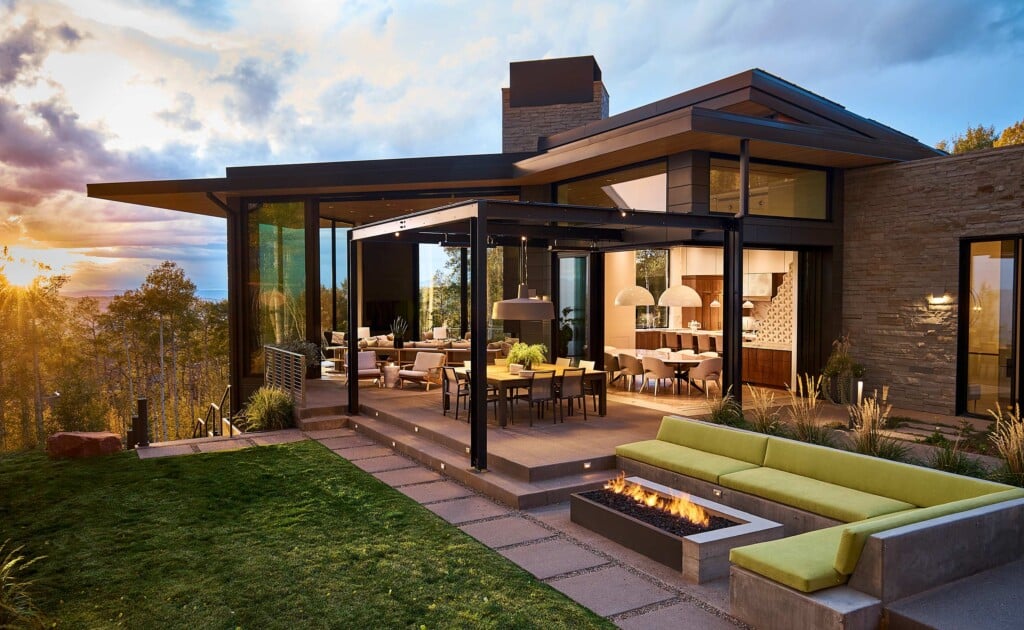
A fireplace can serve as a natural anchor, paired with a comfortable chairs and a table for the rituals of an evening: reading, conversation or simply looking out toward the landscape. Generous windows and access to terraces or decks extend that experience outdoors, making the changing light, weather and night sky part of the interior
experience.
Design for the Rituals of Everyday Life

Photo: Roger Davies
The most successful kitchens are designed around the way people actually live. They accommodate preparation and celebration, quiet mornings and lively evenings, generations gathered around an island and recipes passed from one family member to the next.

Photo: Roger Davies
Lighting plays an important role in this flexibility. Natural light should be embraced wherever possible while layered, dimmable illumination allows the character of the room to evolve throughout the day. A sculptural range hood, beautifully crafted island or wood-fired pizza oven can become a focal point, but the most important consideration is how the room brings people together.
Beauty and function should never exist independently. When they are thoughtfully resolved together, even the most practical spaces can become memorable.
Make Room for Joy

Photo: Mathew Millman
Restoration is not always quiet. Some of the most meaningful moments in a home come through gathering, play and shared experiences.
Media and game rooms offer an opportunity to embrace a more relaxed expression of mountain living. Comfortable, beautifully made furnishings encourage people to settle in, while generous coffee tables, fireplaces, art and objects collected over time give the room a sense of personality and history.

Photo: Mathew Millman
Billiards, a well-appointed bar, vintage games or an unexpected nostalgic detail can introduce an element of play. These spaces remind us that luxury is not simply about refinement. It’s about creating the freedom to be together.
Ultimately, a well-designed home should do more than look beautiful. It should heighten an awareness of place, support the rituals of daily life and create an environment where people feel connected: to nature, to one another and to the beauty of living well.
Rush Jenkins is the co-founder and principal at Jackson Hole-based WRJ Design, an award-winning interior design firm known for a special brand of livable luxury that effortlessly marries the most sophisticated modern furnishings with historically rich, rustic and one-of-a-kind elements. View their profile, read about their new book and follow @wrjdesign on Instagram.
Sponsored content for this article provided by WRJ Design.