Fire-Resilient Homes: Designing for Protection from the Ground Up
The most successful fire protection strategies begin long before construction starts.

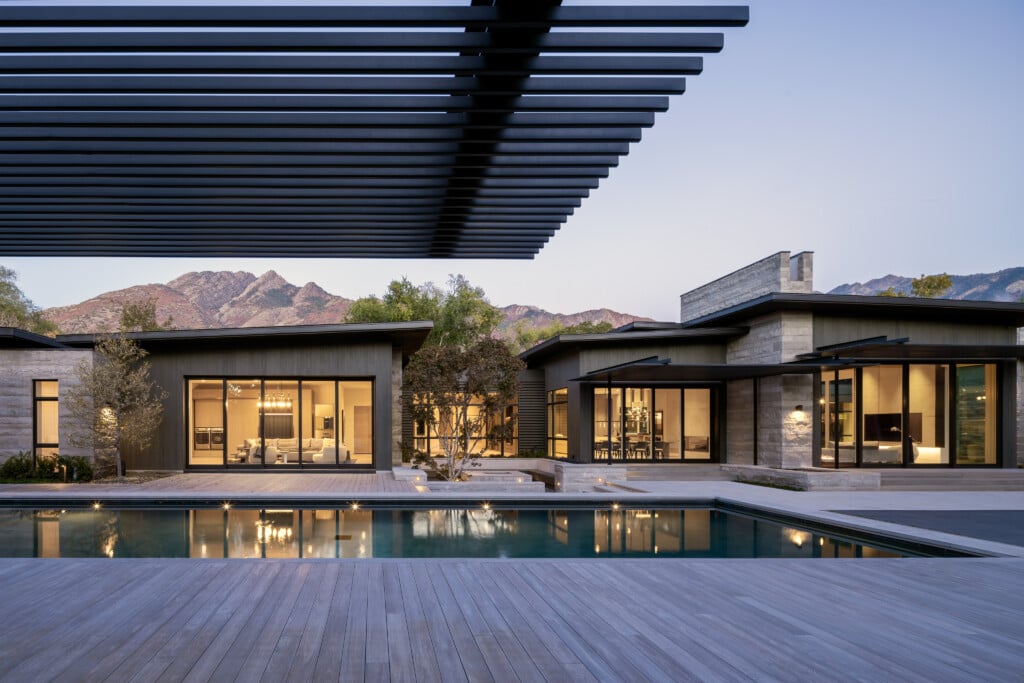
Photo: David Patterson
Across the United States, homeowners face increasing wildfire risk, rising insurance costs, and stricter building requirements. Fire resilient design helps protect lives, preserve property, maintain insurability, and safeguard long-term investments. The most successful fire protection strategies begin long before construction starts. By incorporating fire resilient principles during design and the material selection process, homeowners can significantly reduce risk without sacrificing aesthetics or architectural vision.
Start with the Site
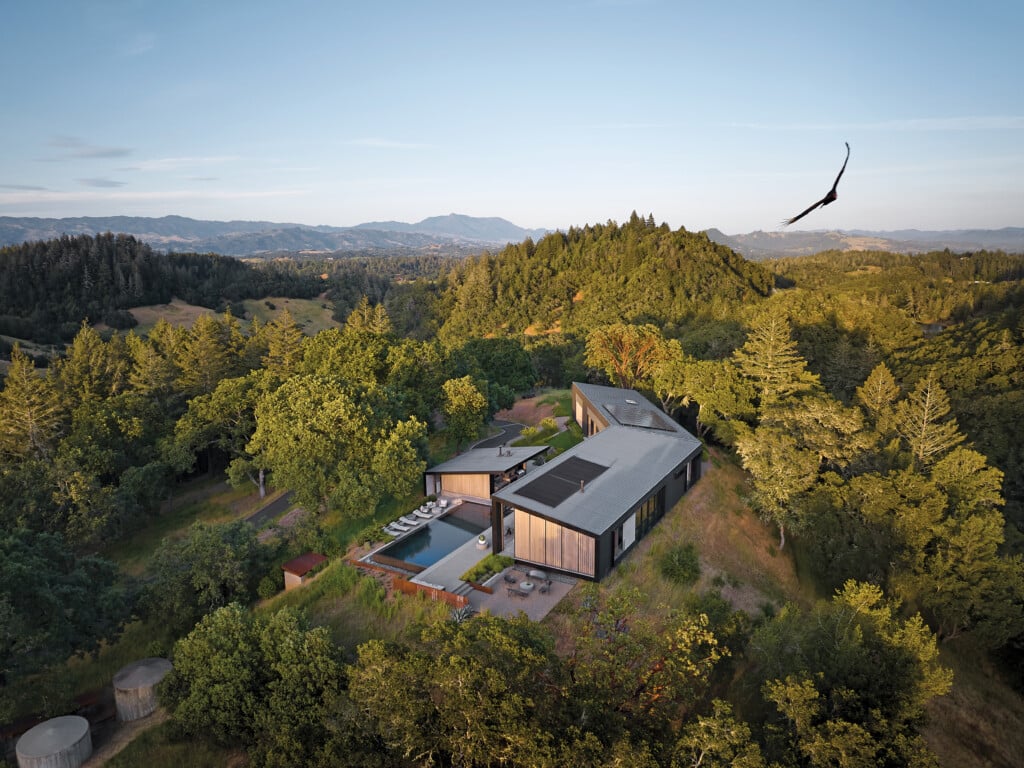
A fire resilient home begins with its surroundings. Landscaping and a defensible space can help slow the spread of fire and reduce the likelihood of flames reaching a structure. Strategic placement of vegetation, use of fire-resistant plantings, and incorporation of noncombustible hardscape elements can significantly improve a property’s overall resilience.
Designing with Resiliency in Mind
Many communities, particularly in wildfire-prone areas, have adopted resiliency codes and Wildland-Urban Interface (WUI) requirements. Understanding these standards early in the design process helps avoid costly changes later while ensuring the home is better prepared for potential fire exposure.

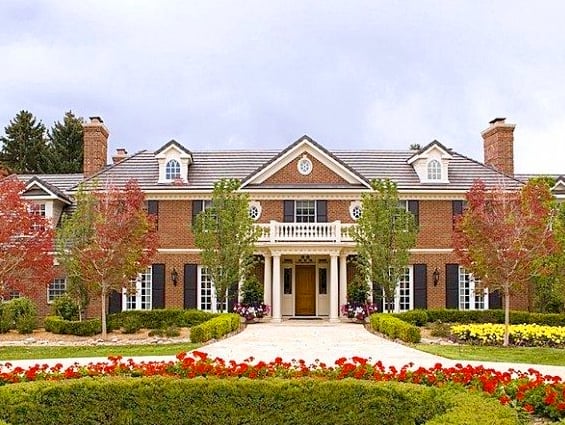
Photo: David Patterson
Selecting the Right Materials
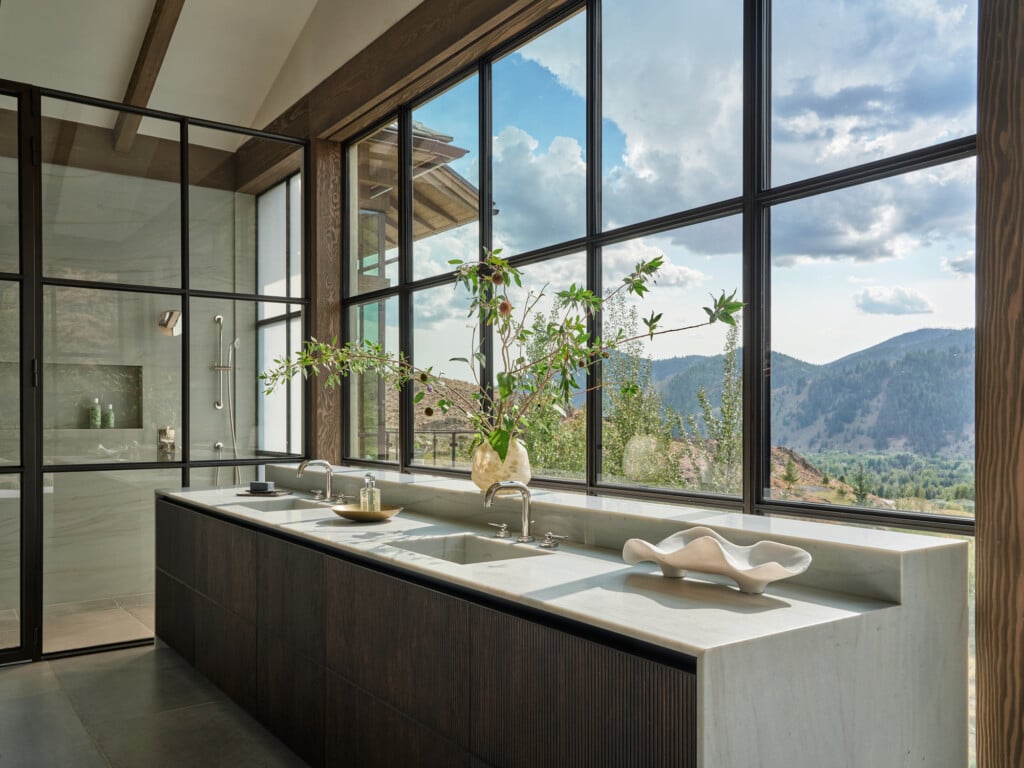
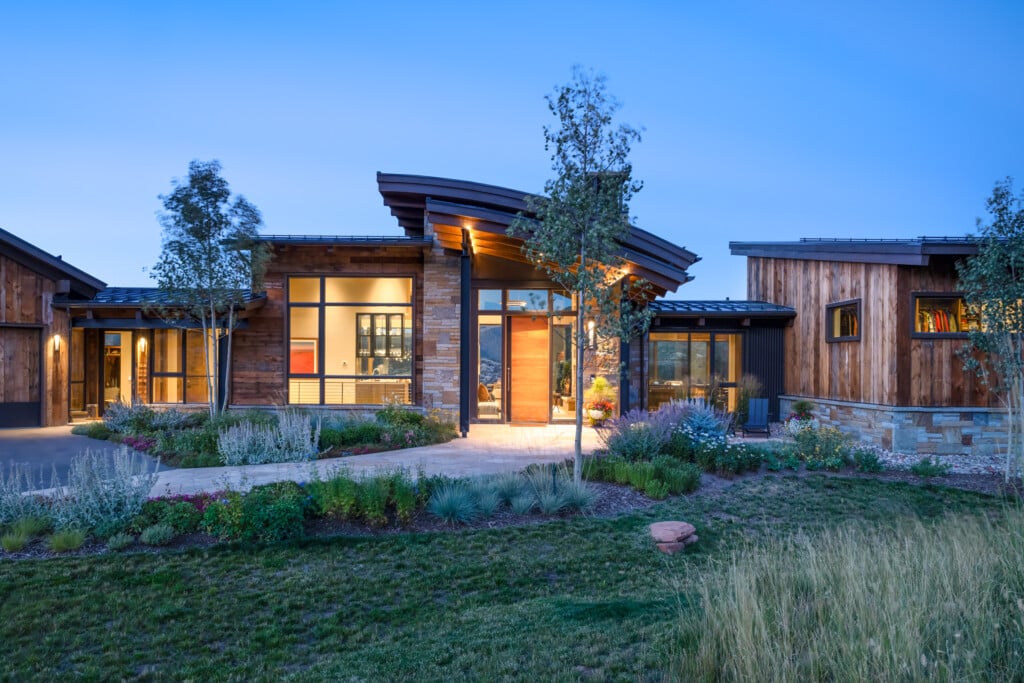
Material selection is one of the most important decisions in fire resistant construction. Roofing, siding, windows, vents, and decking all contribute to a home’s performance during a fire event. Class A-rated roofing systems, which provide the highest level of fire resistance, are commonly specified in mountain communities and wildfire prone regions because they offer enhanced protection against wind-driven embers.
Thinking Beyond the Structure
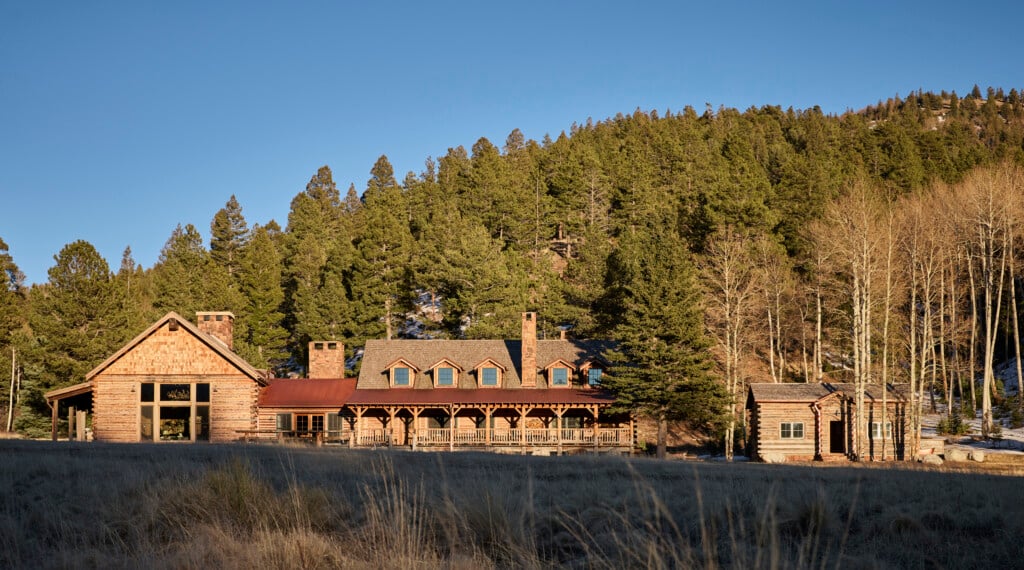
Fire protection is not limited to the home itself. Fences, decks, outbuildings, landscaping materials, and nearby vegetation can all influence how fire behaves around a property. A holistic approach evaluates the entire site to reduce vulnerabilities and improve overall safety.

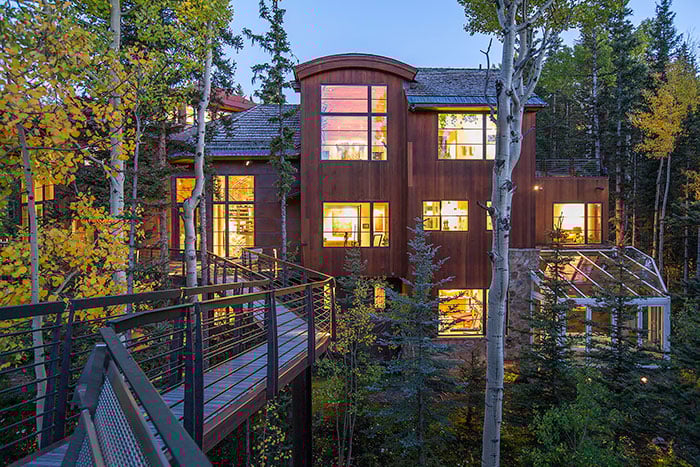
Photo: David Patterson
A Case for Fire Sprinklers
Residential sprinkler systems add another layer of protection by helping control fires before they spread. In addition to protecting occupants, they can reduce property damage and provide valuable peace of mind, particularly in larger homes or remote locations.
Insurance and Long-Term Value
Insurance providers are increasingly evaluating wildfire risk when determining coverage and premiums. In some areas, mitigation measures may be encouraged, or even required, to obtain or maintain coverage. Fire resilient design not only helps protect a home but can also support long-term insurability and preserve property value.

Photo: David Patterson
Protection Without Compromise
One of the biggest misconceptions about fire resistant construction is that it limits design options. Today’s fire rated products are available in a wide variety of styles, finishes, and architectural applications, allowing homeowners to achieve their design goals without sacrificing safety.
Fire resilience is ultimately an investment in both protection and peace of mind. When considered from the earliest stages of design through construction and ongoing maintenance, these strategies help safeguard homes, families, and the investments they represent.
Hans Berend is CEO and co-founder of GB Design Build, a full service design/build firm based in Steamboat Springs. The GB Design Build team takes immense pride in their mission: crafting inspired living spaces for our clients that seamlessly integrate with Steamboat’s mountain environment. View their profile or contact them at 970-879-1725.
Sponsored content provided by GB Design Build.