Thoughtful Home Design in Harmony with Nature
Architecture that embraces the landscape, strengthens community and creates homes that nurture well-being.

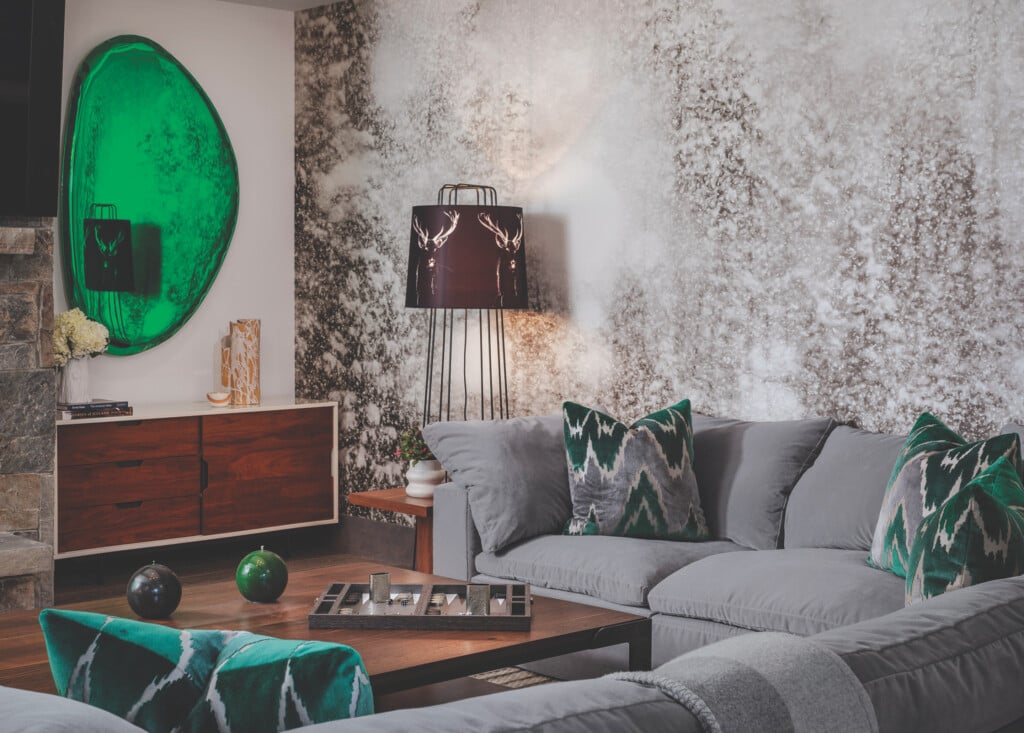
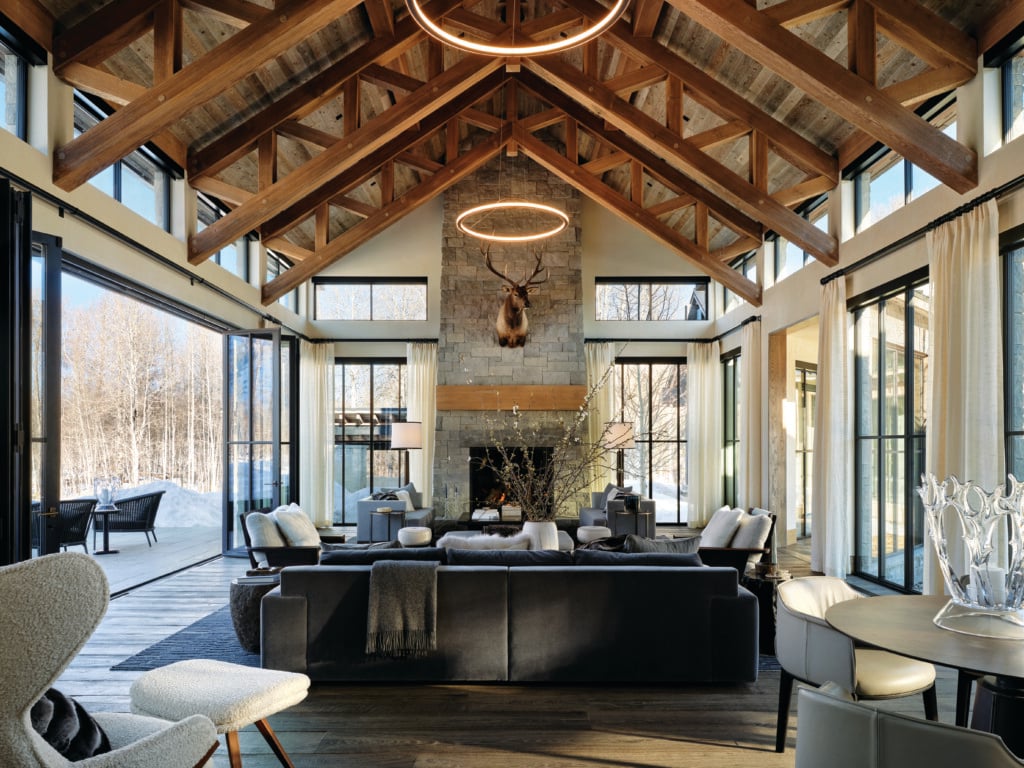
Photo: Brent Bingham Photography
Luxury homes have long been defined by exceptional craftsmanship and beautiful materials. Today, however, the most enduring homes are distinguished by something deeper: a meaningful relationship with the natural world. Rather than creating houses that simply occupy a landscape, many architects and designers are embracing an approach that allows homes to exist in harmony with their surroundings.

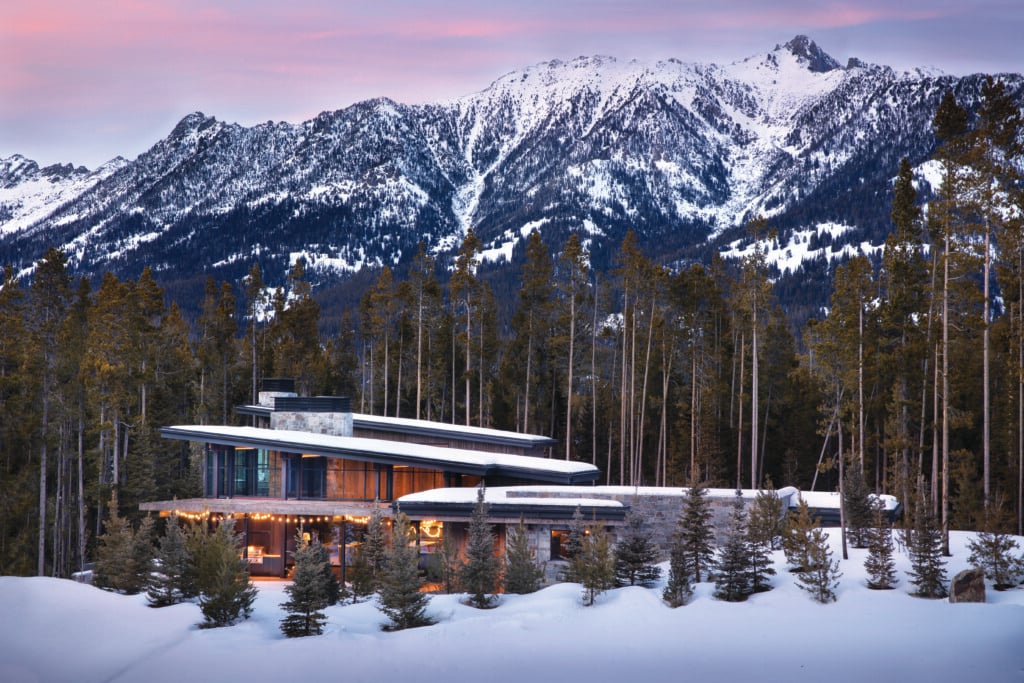
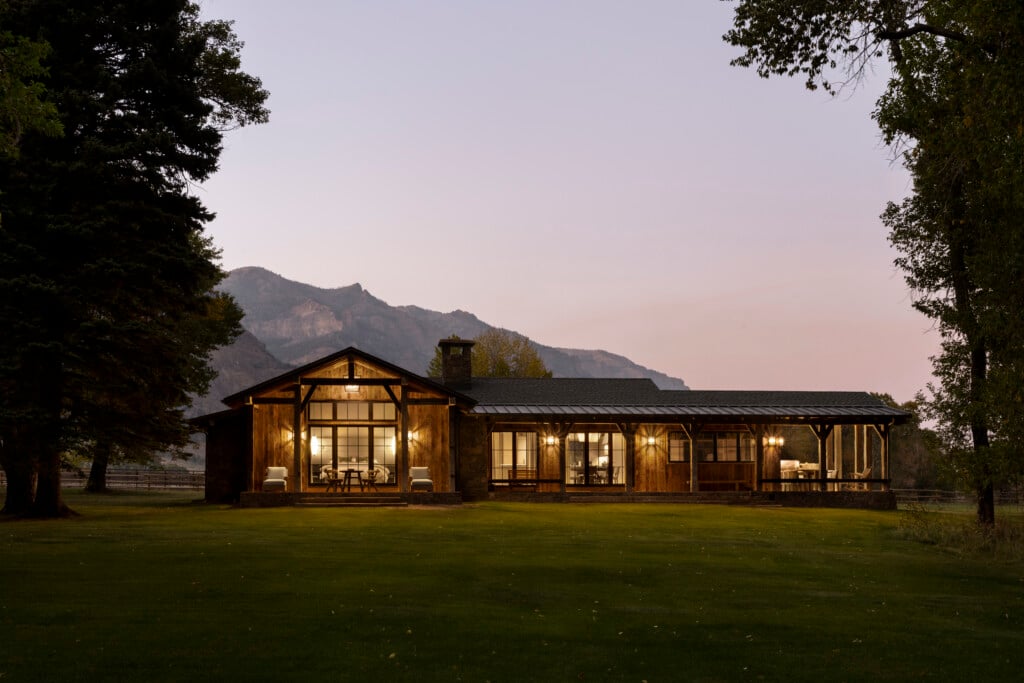
Photo: Brent Bingham Photography
Our connection to nature is instinctive. Studies continue to demonstrate what many homeowners already know; that natural light, organic materials, fresh air and views of the outdoors contribute to lower stress levels, improved mental well-being and a greater sense of peace. Designing with nature in mind is about more than aesthetics. It’s about creating environments that restore, inspire and encourage us to slow down.

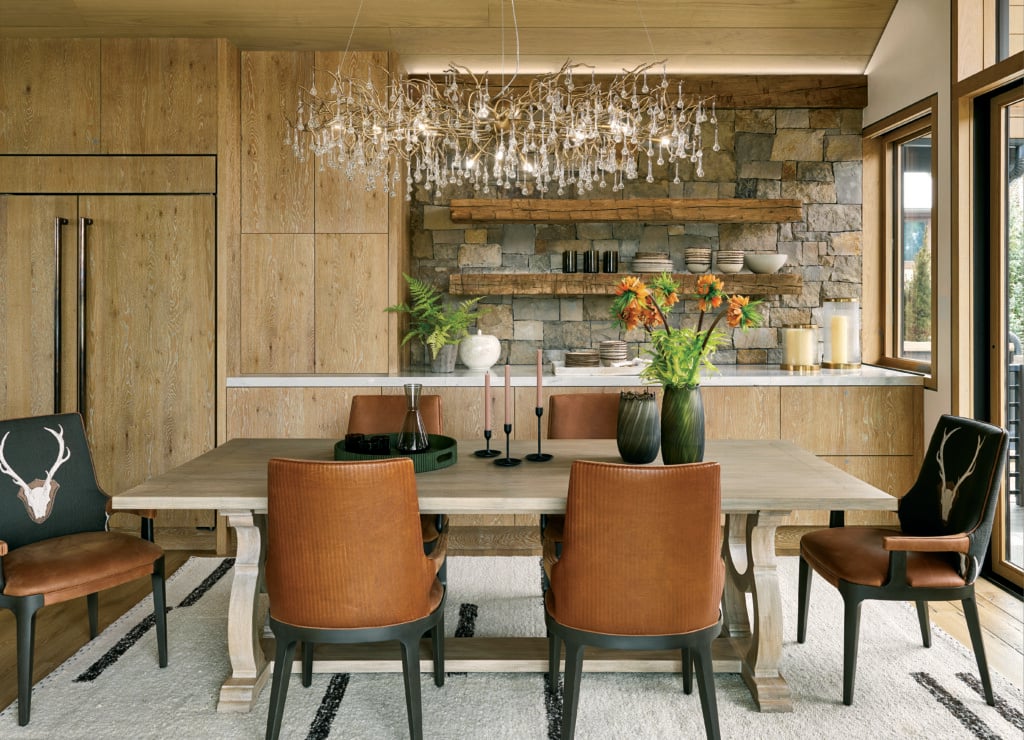
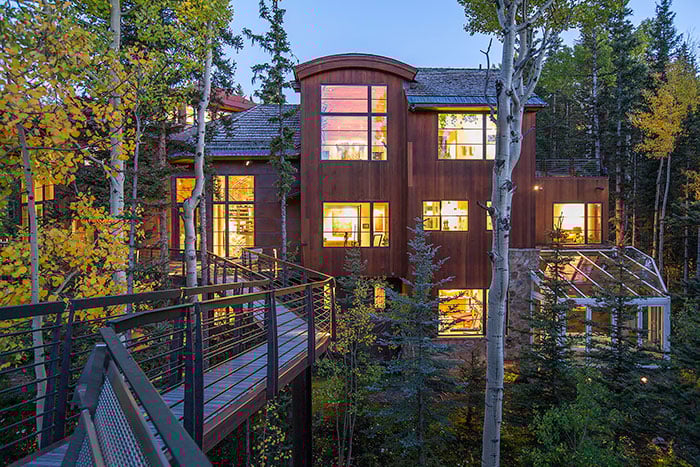
Photo: Brent Bingham Photography
This philosophy requires a thoughtful approach from the very beginning of the design process. Instead of asking how much can be built on a property, designers ask how a home can best belong there. It means preserving existing landforms, protecting mature trees and minimizing disruption to the surrounding ecosystem. It also means recognizing that every home exists within a larger community, where thoughtful design benefits not only the homeowner but also neighbors and the landscape itself.

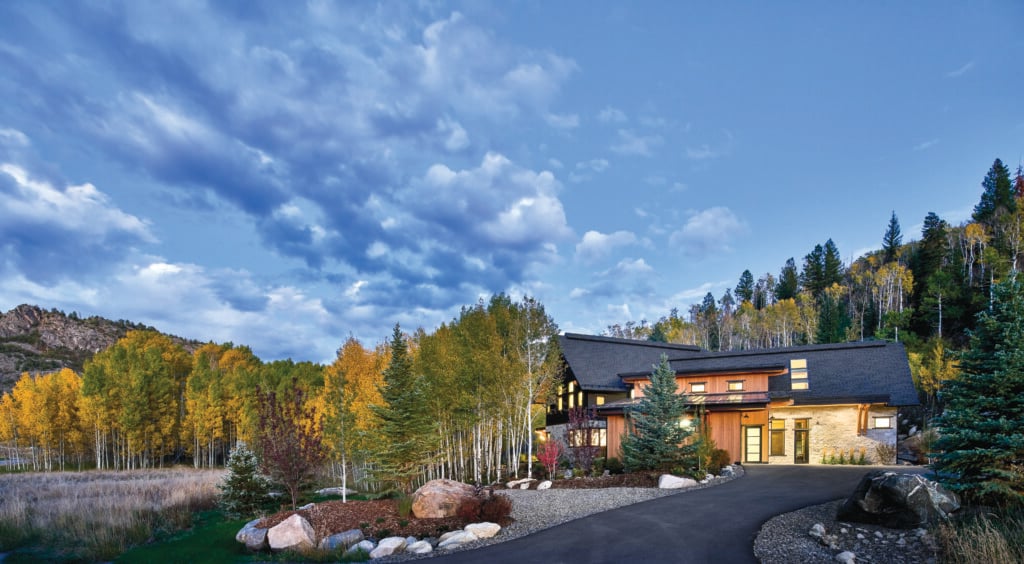
Photo: Brent Bingham Photography
Communities such as Cordillera in Edwards, Colorado have embraced this philosophy. Design guidelines encourage homeowners to create residences that complement the natural terrain rather than dominate it. Homes are carefully positioned to preserve views, avoid ridge lines and respect neighboring properties, reinforcing the idea that exceptional design considers the collective experience as much as the individual one.
When nature becomes the guiding principle, every material and architectural detail serves a greater purpose.

Photo: Brent Bingham Photography
Design Elements Inspired by Nature
- Expansive windows: Floor-to-ceiling glass strengthens the connection between indoors and outdoors, framing mountain views, maximizing natural light and allowing homeowners to experience the changing seasons from every room.
- Natural stone: Locally sourced rocks and stone create an authentic sense of place. They can be incorporated into fireplaces, feature walls and even showers, where large stones provide a place to sit while bringing the landscape indoors.
- Water features: The gentle sound of flowing water creates a calming atmosphere, masking unwanted noise while adding movement and a sensory connection to nature.
- Wood throughout: Natural wood adds warmth and texture inside and out. One beautiful example is the Japanese technique of yakisugi, which lightly chars the surface of wood to create a striking black finish while naturally improving its durability.
- Fireplaces and fire pits: Fire has always drawn people together. Interior fireplaces and outdoor gathering spaces create warmth, encourage conversation and extend outdoor living throughout the seasons.
- Indoor-outdoor living: Covered patios, retractable glass walls and seamless transitions between interior and exterior spaces encourage homeowners to spend more time immersed in the natural environment.
- Native landscaping: Plants that naturally thrive in the local climate require less water and maintenance while supporting wildlife and helping the home blend effortlessly into its surroundings.
- Reclaimed materials: Salvaged wood can become custom tables, shelving or beams, while leftover metal can be transformed into cable rail systems, furniture and sculptural architectural details. These one-of-a-kind pieces add character while reducing waste.
- Nature-inspired art: Creativity extends beyond architecture. Programs like Project Funway encourage young designers to transform recycled materials into something new. Local collage artist Dolan Geiman creates richly textured works from reclaimed wood, salvaged metal and found objects, demonstrating how nature and reuse can inspire extraordinary design.
Ultimately, designing with nature is about creating homes that nurture both people and place. When architecture respects the landscape, embraces natural materials and thoughtfully considers the surrounding community, the result is a home that feels timeless, restorative and deeply connected to its environment.
Architect/Builder/Designer Kasia Karska is the owner of the boutique design-build firm, Kasia Karska Design, located in Vail Valley, Colorado. To learn more, view their profile or contact Kasia and her team at 970-343-2302.
Content for this article is provided by Kasia Karska Design.