5 Ways to Find Calm through Landscape Design
The invaluable benefits of spending time in nature.

Photo: Courtesy of Karen Current, Draper White
The pace of news, the pull of technology, and the noise around us are rising to a level that can feel hard to quiet. With this constant flow of information, our minds and bodies absorb stress and distraction from an algorithm that is designed to keep us on high alert.
Boosting Health and Wellbeing

Photo: Courtesy of Karen Current, DHM Design
Studies consistently find that time spent in natural environments reduces stress, improves mood, and helps restore focus and attention. Stepping outside, even briefly, can change our perspective. Nature invites us to slow down, to notice, and to reconnect with what is real. These are small moments, but they have a measurable impact on our mental health and overall wellbeing.
Designing with Intention

Photo: Courtesy of Karen Current, Carl Zoch
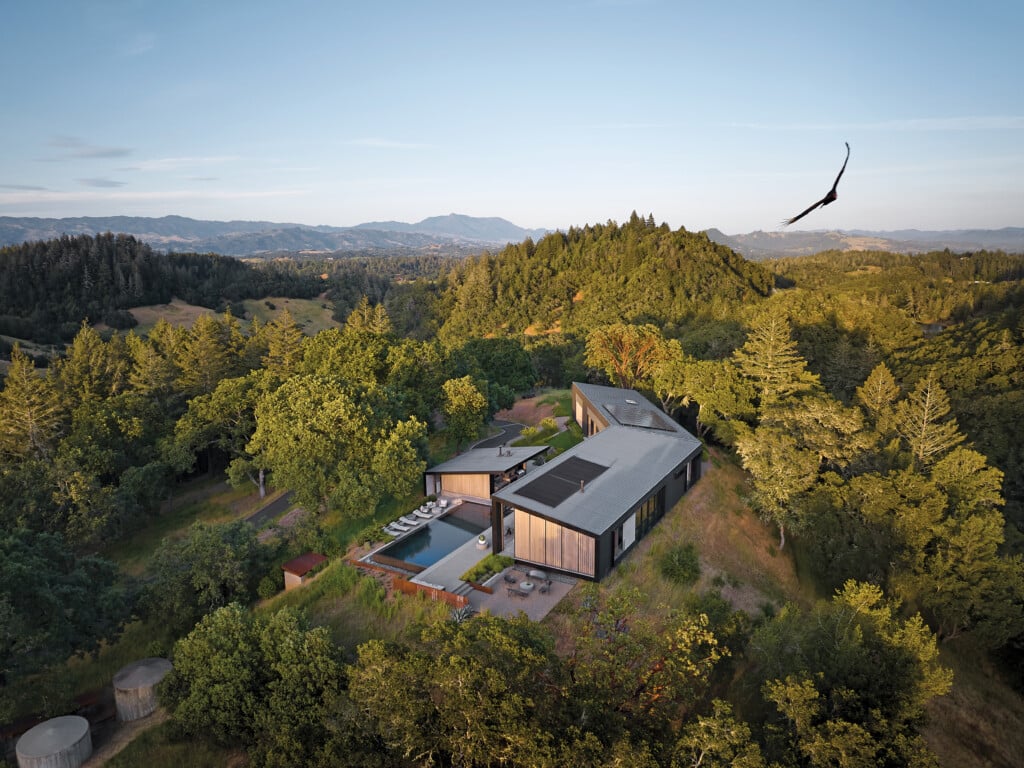
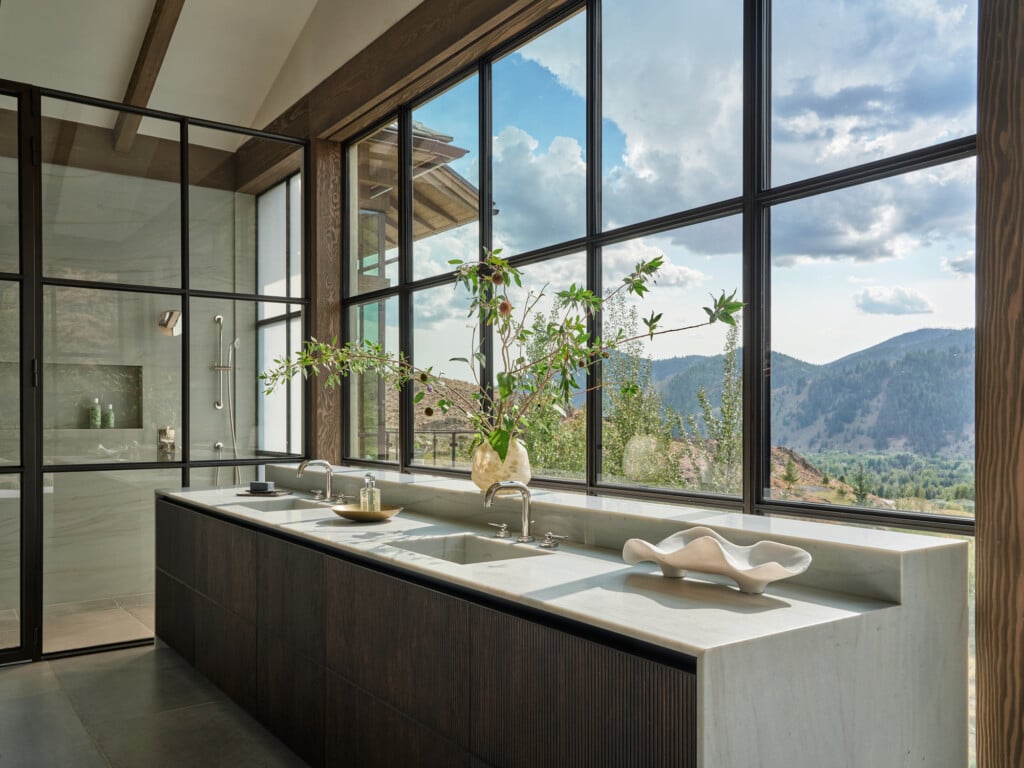
A garden, a trail, a stand of native grasses, or even the view from a front porch can offer a sense of calm and clarity. This is where thoughtful landscape design plays an important role. Whether it is a residential garden, a neighborhood park, or a destination experience, well designed outdoor environments create opportunities for people to reconnect with nature in meaningful ways.
At Home

Photo: Courtesy of Karen Current, DHM Design
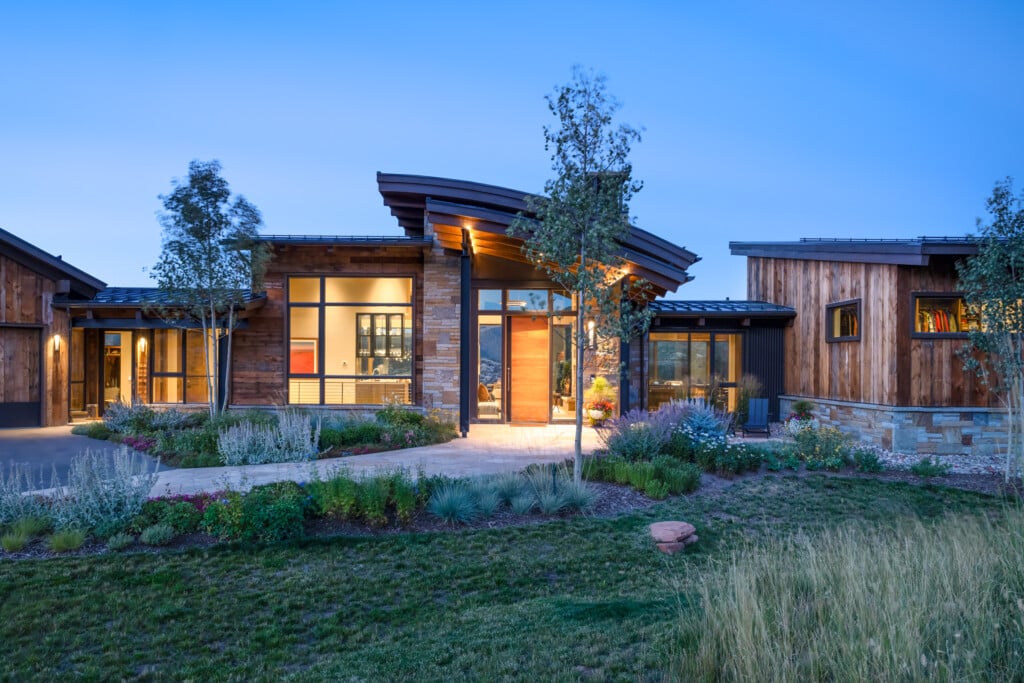
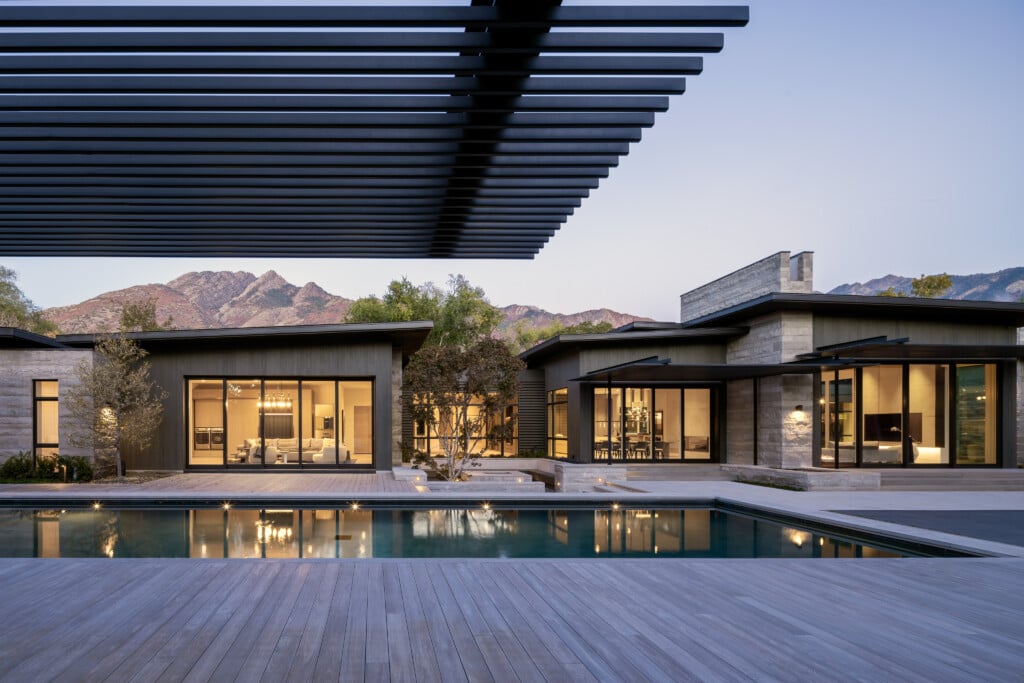
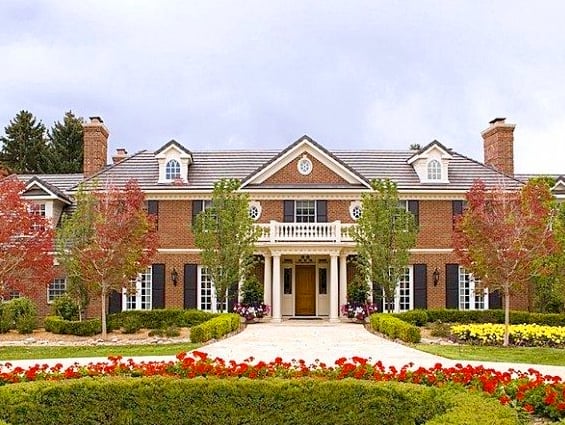
At home, this might look like spaces that engage the senses. Areas for quiet reflection, gardens that invite touch and care, or water features that introduce sound and movement. These environments support daily rituals that encourage presence and reduce stress.

Photo: Courtesy of Karen Current, Draper White
Nearby

Photo: Courtesy of Karen Current, DHM Design, Draper White
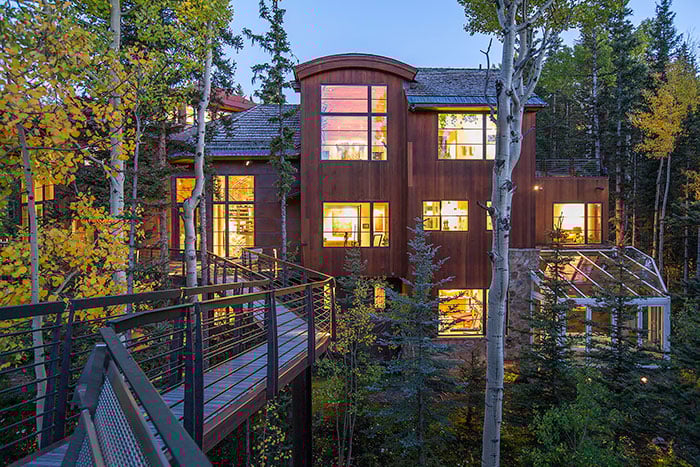
In shared spaces, such as parks and open spaces, the impact expands. These places become essential for community wellbeing. They offer accessible ways for people of all ages to spend time outdoors, move their bodies, and connect with each other. Trails that reveal changing views, native plantings that support local ecosystems, and spaces designed for gathering all contribute to a deeper sense of place.

Photo: Courtesy of Karen Current, Audrey Hall
Further Afield

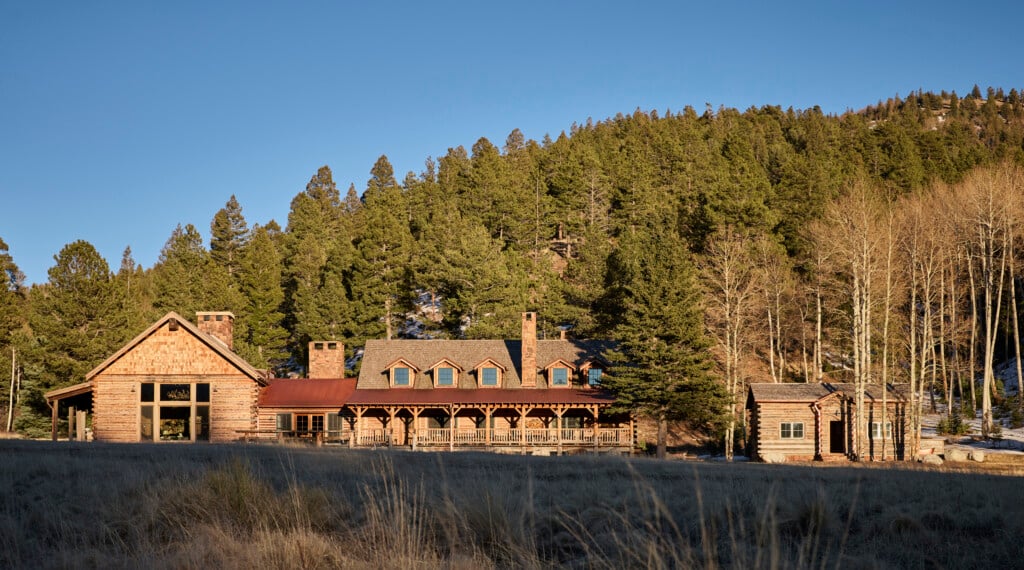
Photo: Courtesy of Karen Current, Blake Gordon
In larger landscapes, including resorts and national parks, the experience becomes more immersive. Here, design can foster a sense of wonder and discovery. Integrating local materials, native ecologies, and cultural context allows visitors to connect more deeply with the land. These moments of being “away” are not just about travel. They are about stepping out of routine and remembering what it feels like to be fully engaged with the world around us.

Photo: Courtesy of Karen Current, Blake Gordon
Across all scales, the goal is the same. To create environments that help people step outside the noise, reconnect with nature, and in doing so, reconnect with themselves and each other. The path to better mental health and a greater sense of wellbeing is not complicated. It starts by going outside, paying attention, and allowing the natural world to do what it has always done best.

Photo: Courtesy of Karen Current, Draper White
Jennifer DiCuollo is Principal with DHM Design, an ecologically grounded landscape architecture firm specializing in creating spaces that promote healing, the art of wellness, and immersion in nature. View their profile or call 970-963-6520 for more information.
Content for this article provided by DHM Design.