Built for a Lifetime: Well-Made, Heirloom Quality Kitchen Furniture
How the concept of ‘the Unfitted Kitchen” has shaped designer Paul Diamond’s work.
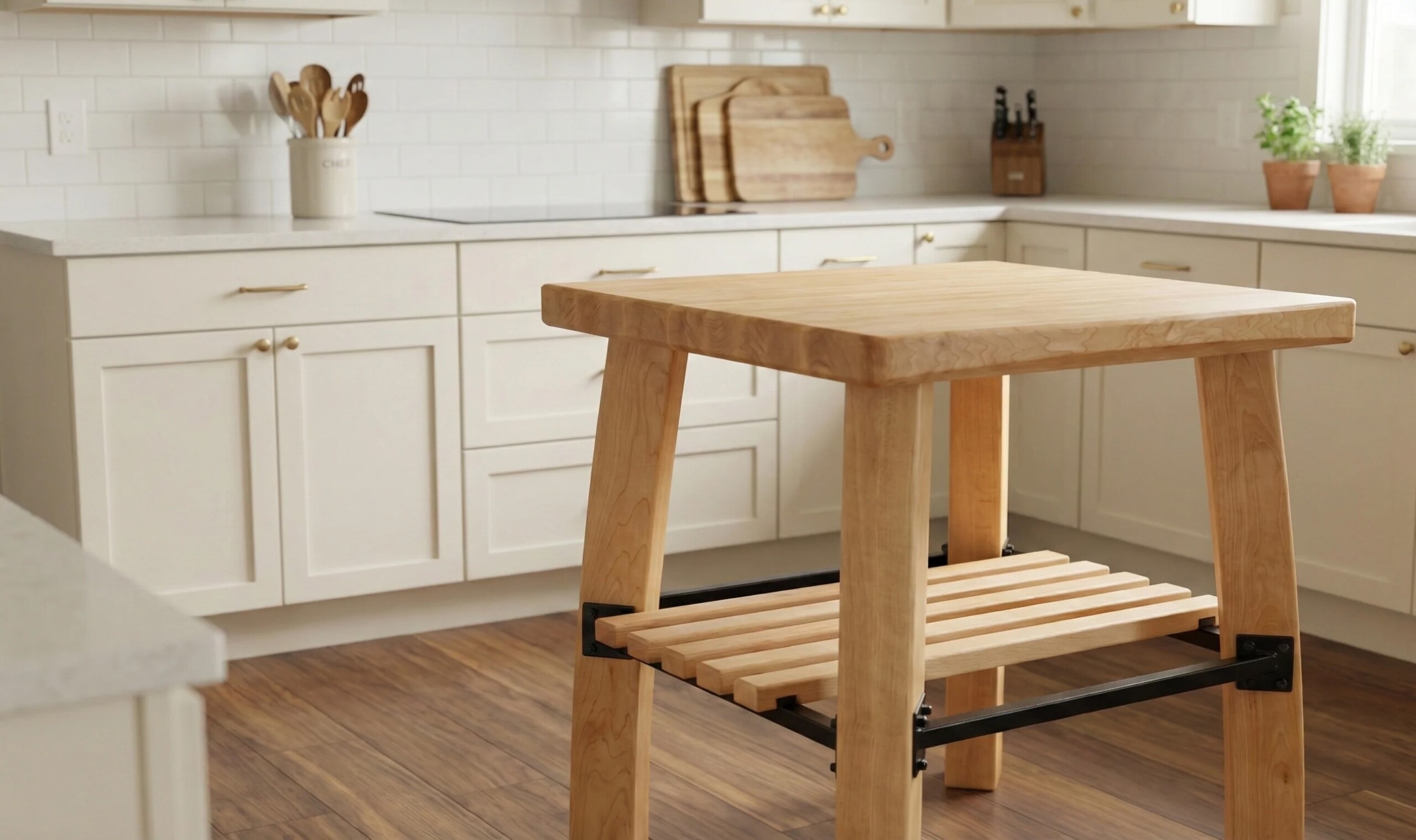
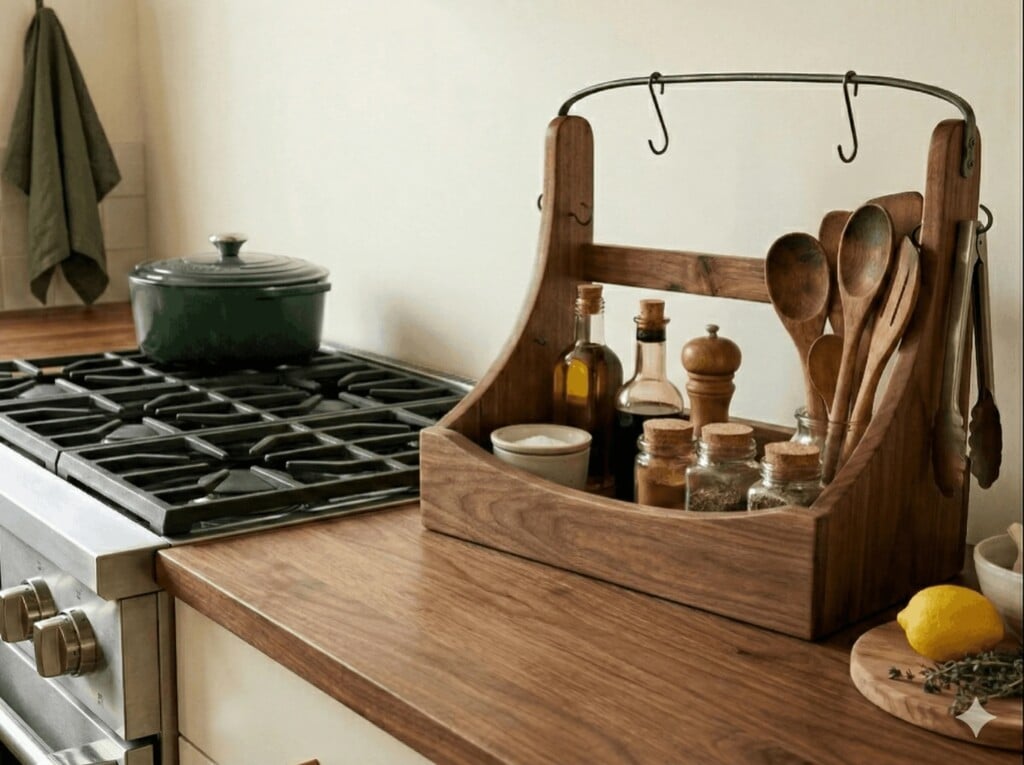
Photo: Paul Diamond
Popularized in the 1980s by British designer Johnny Grey, the Unfitted Kitchen concept favors a more personal, furniture-like feel over a continuous run of matching cabinetry. Freestanding worktables, dresser-style cupboards and open shelving bring character and flexibility to the room. Pieces can be sized and arranged to suit the way a kitchen is used.
In practice, many designers create kitchens that blend both approaches, using built-ins where storage or plumbing calls for them and freestanding furniture for character. The emphasis on distinctive, enduring pieces is central to the concept and profoundly informs our work.
The key to achieving a bespoke design is introducing elements such as a furniture-style island, plate rack or other distinctive pieces into the conversation early, before the kitchen plan is set. Planning for an Unfitted Kitchen from the outset makes room for these elements and gives you the flexibility to add or change pieces as your needs evolve and your budget allows. For people who love to cook, this adaptability can make all the difference.
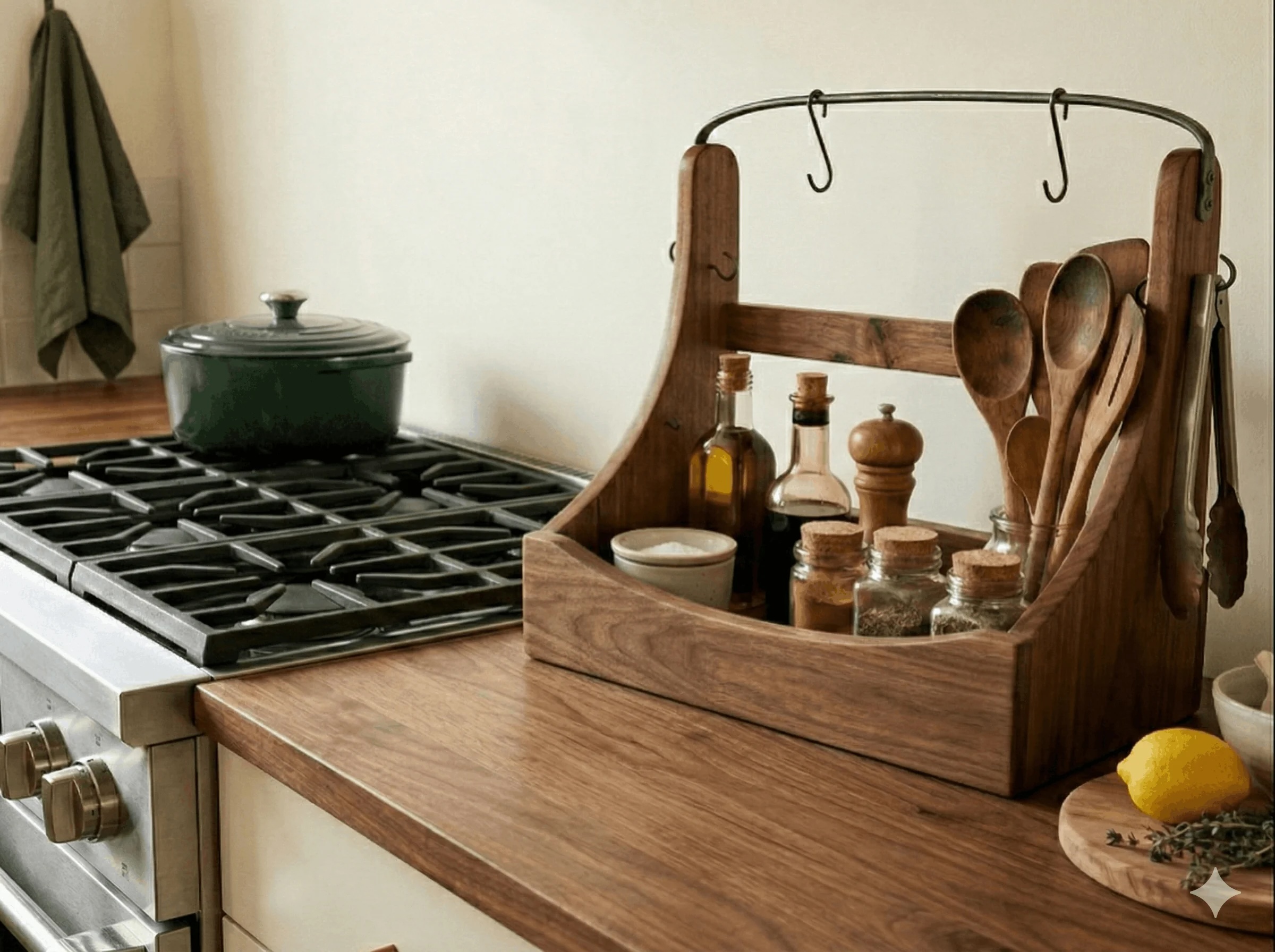
Photo: Paul Diamond
What Makes Kitchen Furniture Last
Heirloom quality begins with carefully chosen lumber and metal, but thoughtful proportions, sound joinery and durable finishes are what give a piece staying power. Dense hardwoods can withstand regular use, and sturdy legs, solid stretchers and precisely-cut joints help keep a frame steady through daily use and seasonal changes.
Substantial wood surfaces can be sanded and restored, while food-safe oil finishes can be renewed over time. Shelves on freestanding pieces need adequate support for the weight they’ll carry. Hardware not only complements the piece, but suits its function and materials. Lasting pieces are crafted to take on the marks of everyday life and, with basic care, grow more beautiful with use.
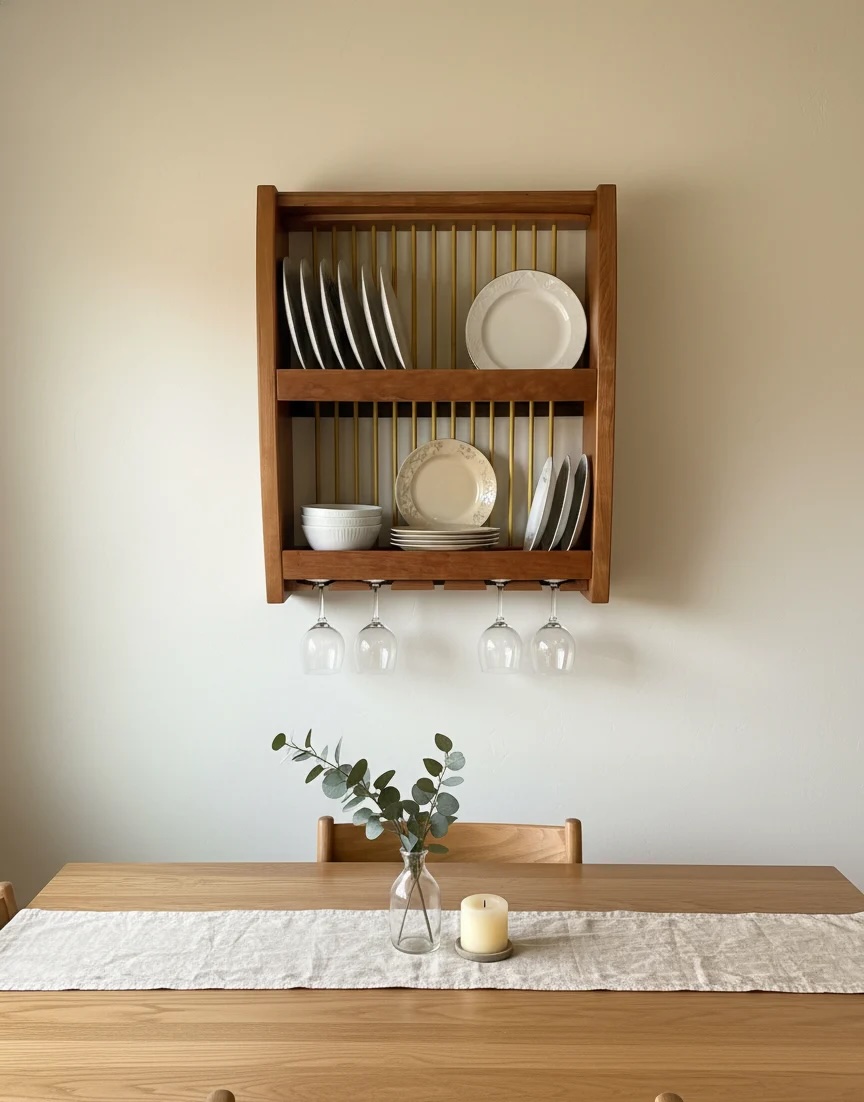
Photo: Paul Diamond
What to Look for in Heirloom-Quality Furniture for Your Kitchen
- Solid hardwoods: North American maple, walnut and cherry are durable options. The advantage of a solid wood piece is that it can be sanded and refinished throughout its lifetime.
- Sound joinery: Mortise-and-tenon or floating-tenon joints can create strong connections between frame components. Look for tight, well-made joints and a stable frame.
- Kitchen-safe finishes: Wood protected with food-safe oils and low-sheen topcoats protect without plastic shine and are easy to touch up over time.
- Bracing for islands: Solid steel stretchers tie the legs together to balance and prevent wobbling. The best choice for finish on the legs is a matte powder-coat that resists scratches and spills for years of daily use.
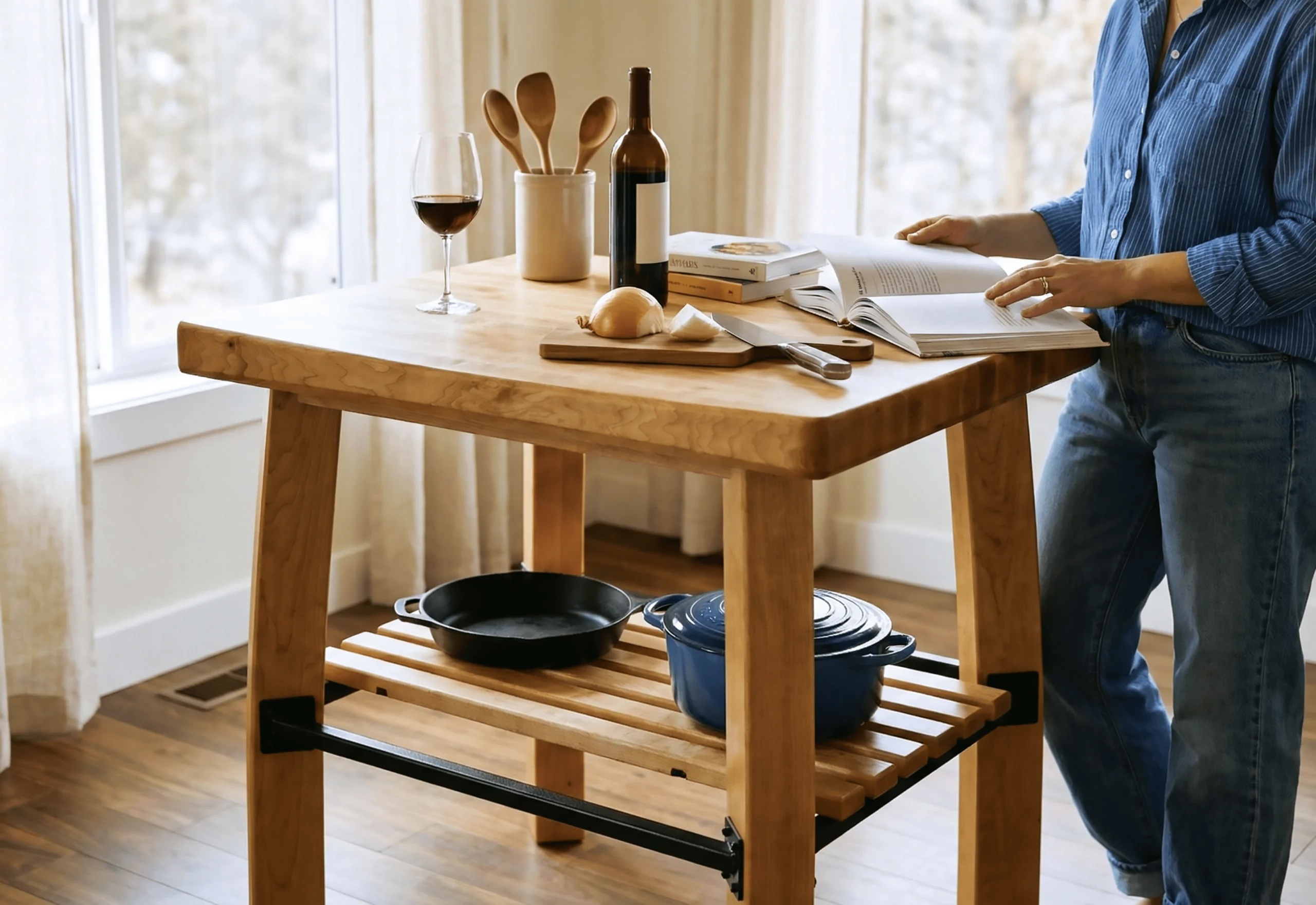
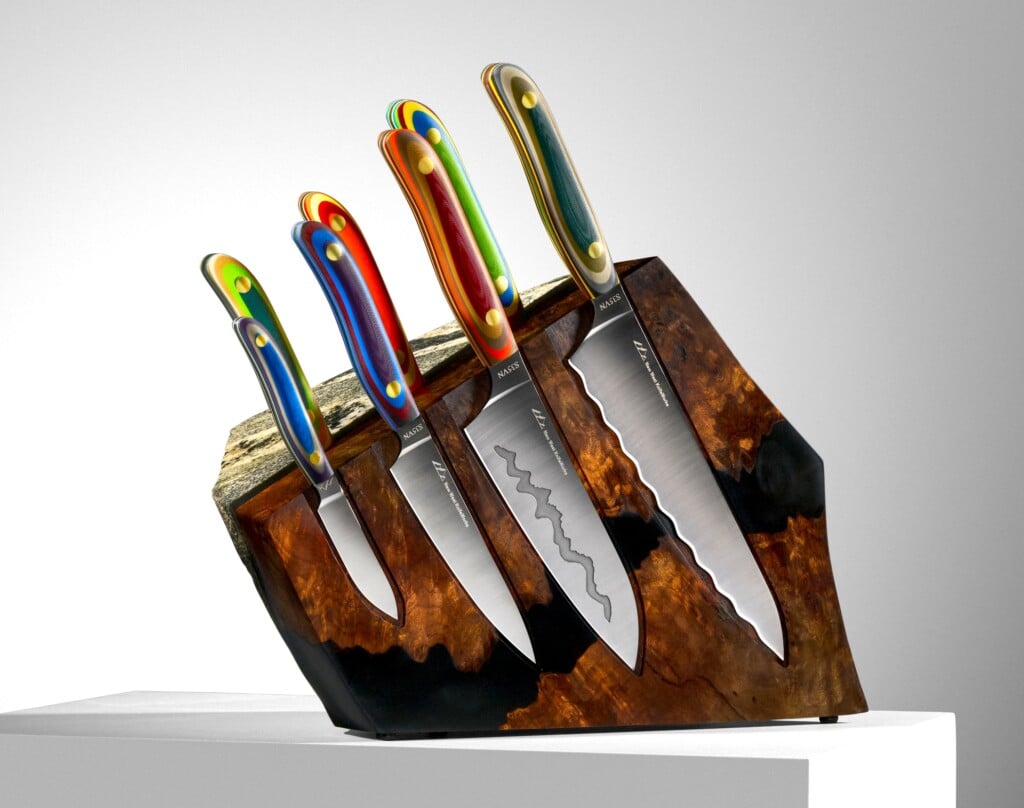
Photo: Paul Diamond
For more than forty years Paul Diamond, founder of Paul Diamond Designs has built chef-centric kitchen furniture from his studio in Cedaredge, Colorado. His heirloom-quality pieces, made from solid hardwood, steel and joinery, are designed to stand up to real cooking, real families and a lifetime of meals.View his portfolio or call at (720) 319-3715.
Sponsored content for this article provided by Paul Diamond Designs.