Why Logs and Timbers Need a Pigmented Finish
The right finish isn't just protective, it's transformative.

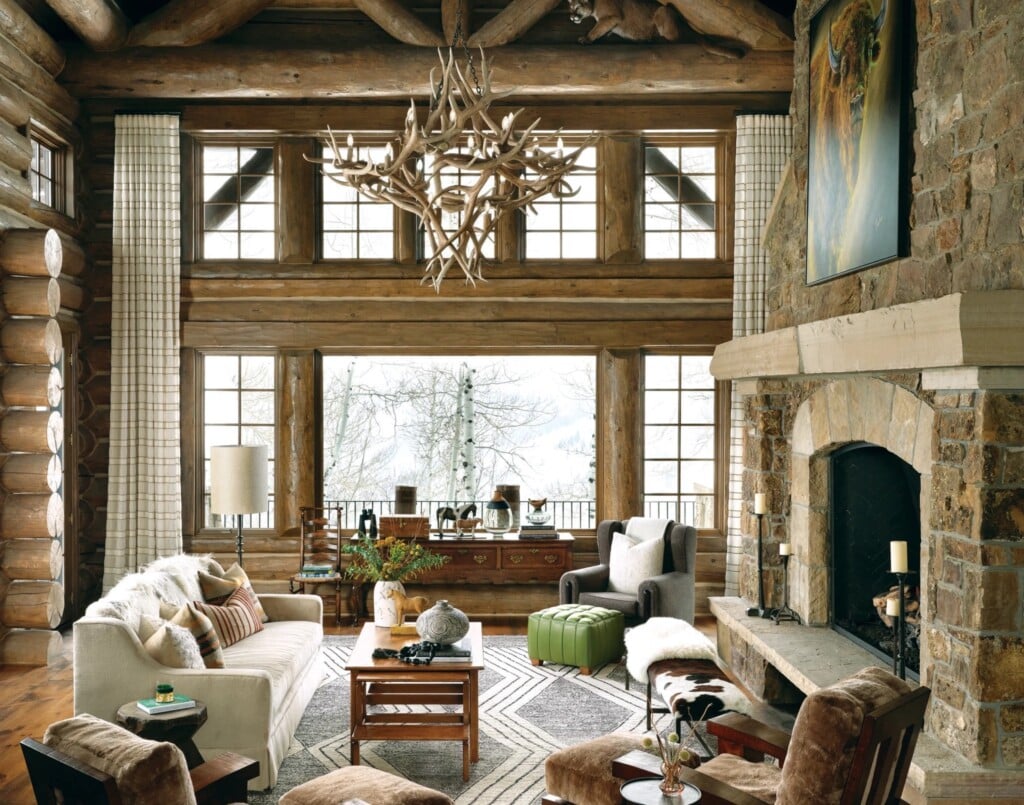
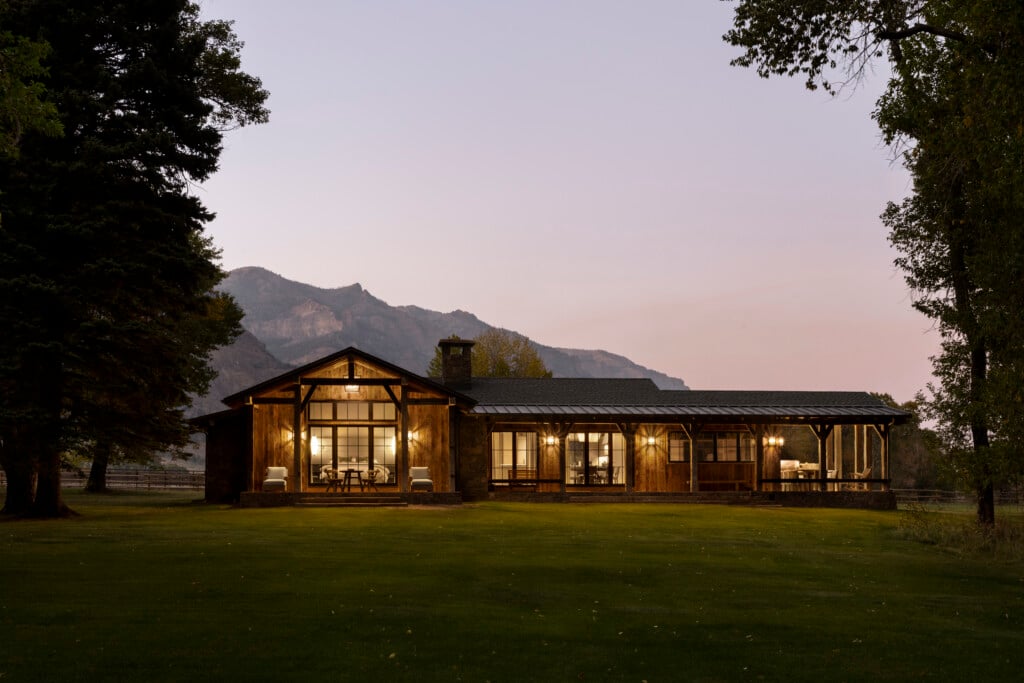
Photo Courtesy of Perma-Chink Systems, Inc.
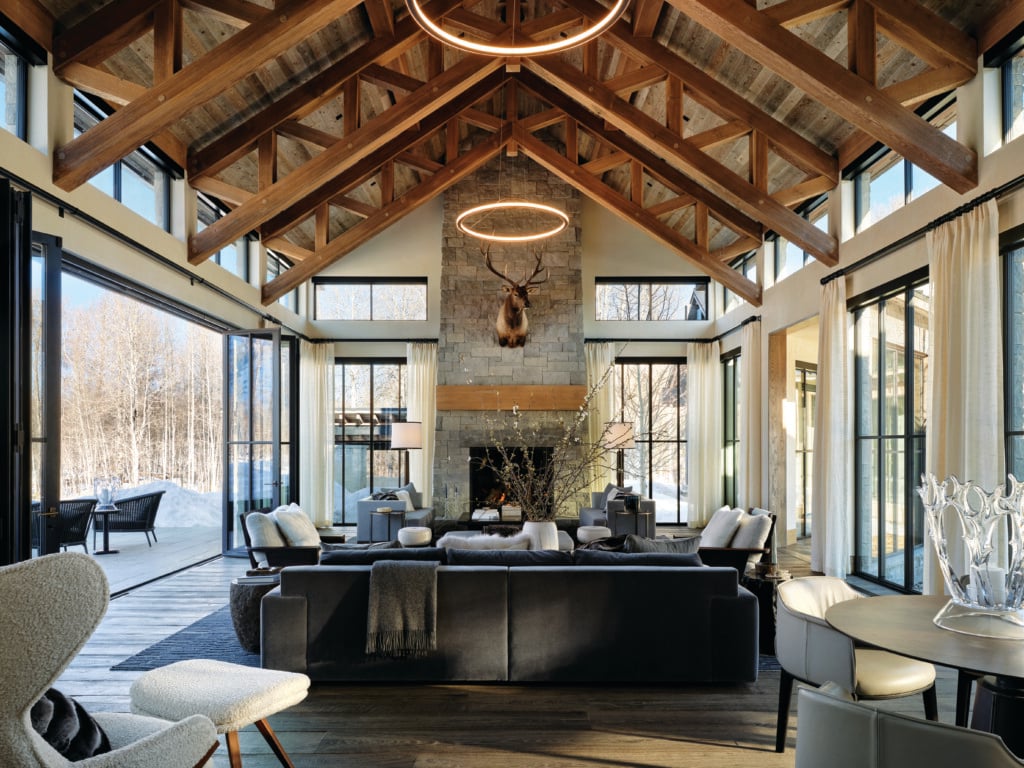
Among the many joys of owning a log or timber home, longevity is one of the most prized. A log home’s durability and long-lasting good looks don’t just happen; they are the result of careful homeowner stewardship. When it comes to the exterior walls, that means using a well-formulated pigmented finish, preferably from the get-go. As you’re making decisions regarding the right stain for your log or timber home, consider the many advantages of using a specialized pigmented stain.
Let’s assume that you have a brand new log or timber home, or a home that has had an old finish recently removed. The bare wood is nice and bright, and the color is exactly what you always envisioned for your log home. What’s wrong with applying one or two coats of some type of clear sealer to hold the color of the wood and protect your logs from rain, snow, and ultraviolet (UV) light damage?

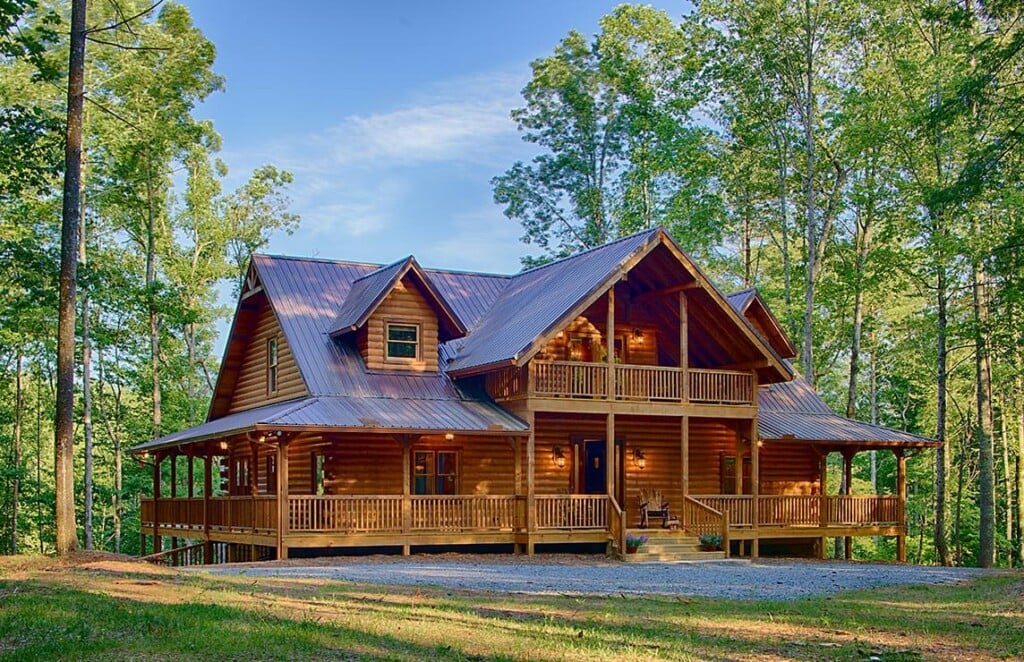
Photo Courtesy of Perma-Chink Systems, Inc.
Here are the problems with that approach:
The most damaging environmental factors to wood are water and sunlight. Water penetration creates conditions conducive to decay while the UV component of sunlight destroys the integrity of the wood’s cellular structure. Technically, we define this UV damage as ‘photo-oxidation of the lignin’. Although clear coats alone can temporarily provide a barrier against water penetration, they have difficulty dealing with UV light for more than a few months.
Clear coats rely on two mechanisms to protect the underlying wood from UV light: reflection and absorption. If the clear coat is slick and shiny, it will reflect much of the UV light but as it gets dirty or dull less and less light is reflected allowing more UV light getting through to the wood.
Chemical UV inhibitors may be included in the formulation, but these are sacrificial, in other words the more UV light that they are exposed to, the quicker they get used up. The bottom line is that if only clear coats are applied to exterior bare wood they provide only temporary protection against UV damage and degrade rapidly so that even their ability to repel water may only last for a year or two. Within a few months the home will end up being multicolored with sun protected areas being significantly lighter than those areas exposed to direct sunlight.

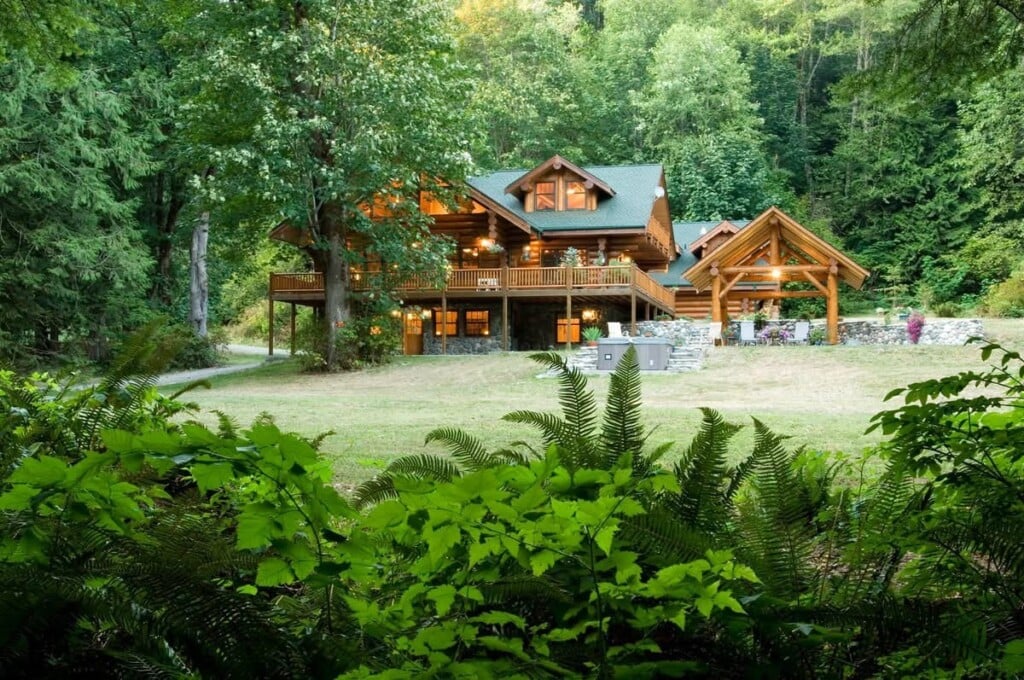
Photo Courtesy of Perma-Chink Systems, Inc.
So how does a colored finish avoid these same issues?
The colorants or pigments contained in a colored finish absorb UV light and remain active as long as the pigments remain on the surface. It’s the pigments that do the majority of the work protecting the underlying wood from the effects of UV exposure. The purpose of our Lifeline Advance clear topcoat is to protect the color coats just like the clear coat on a car.
In addition to making a car attractive, car paint is designed to protect the underlying metal. The job of the clear coat is to protect the paint. The same concept applies to our exterior finish systems. The color coats protect the underlying wood, and the Lifeline Advance clear topcoat protects the color coats from the effects of dirt, wind, sunlight and weather.

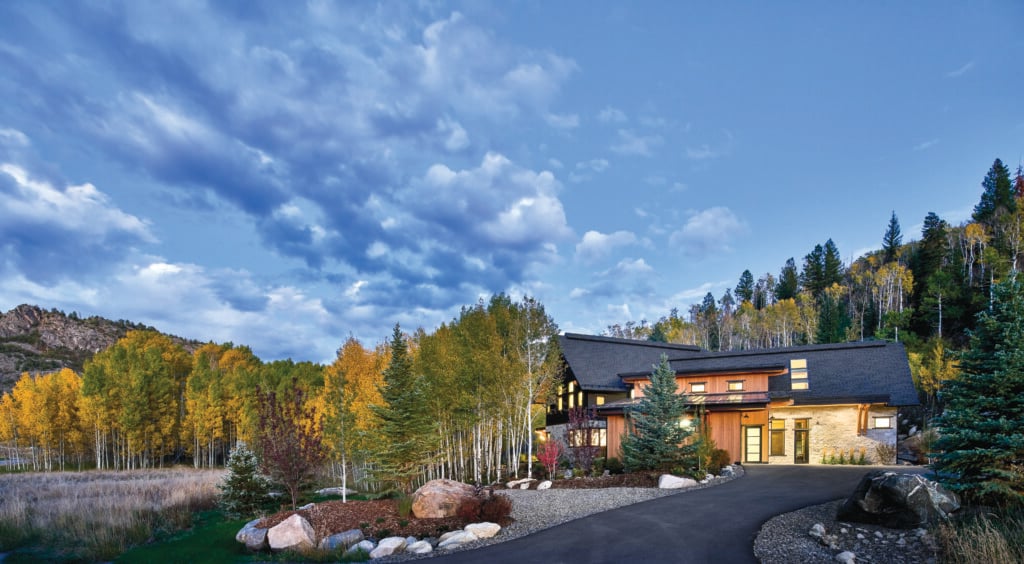
Photo Courtesy of Perma-Chink Systems, Inc.
Homeowners who opt to apply exterior clear coat alone to bare wood are frequently disappointed with the results. Stains plus sealants are the prescription for longevity. Your log home represents years of dreaming and planning as well as a significant financial investment. That’s why it is so important to invest in products that care about your home as much as you do.
Nadia O’Hara is the Director of Marketing at Perma-Chink Systems, Inc. The team at Perma-Chink takes pride in supplying the very best finish systems in the world. Their unique Lifeline system provides exceptional coverage, lasting color and superior protection. View their profile, or call 1-800-548-3554 for more information and free samples.
Sponsored content provided by Perma-Chink Systems, Inc.