In Search of Solitude, One Family Finds Their Perfect Getaway
This off-grid Logan Canyon cabin offers complete privacy and serenity.

Photo: Paul Richer/Richer Images
A Logan, Utah, family wanted a vacation getaway that would provide year-round privacy and outdoor recreation. They contacted Stefan Hampden, principal architect at Seattle-based CAST Architecture, to help them design and build their retreat. “They had seen some of our work and felt that a smaller version of similar design could make an ideal space,” says Hampden.
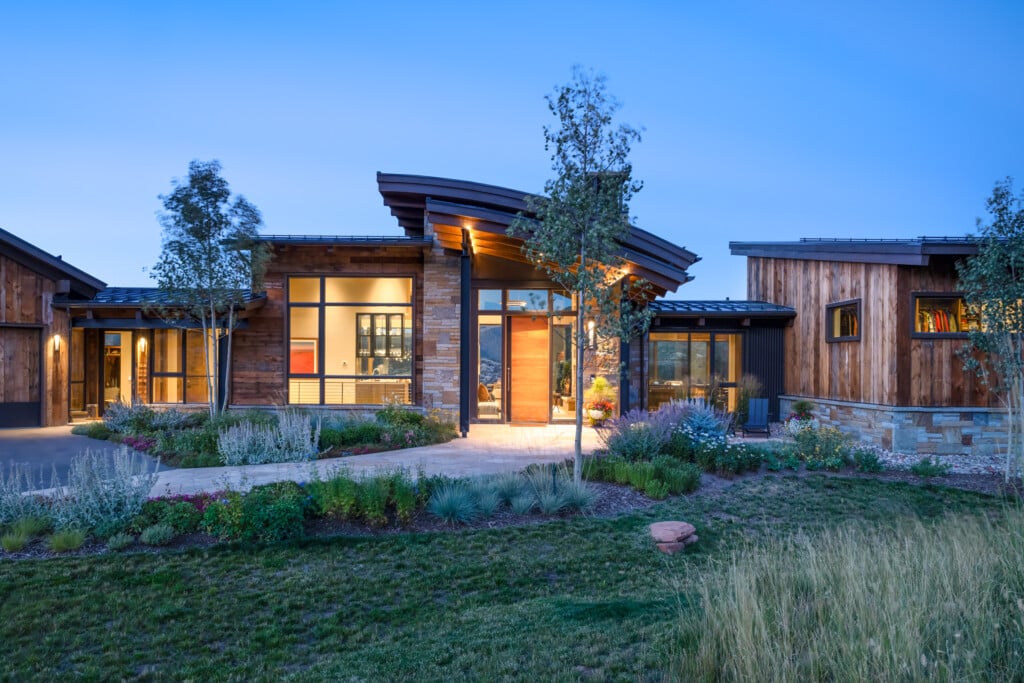
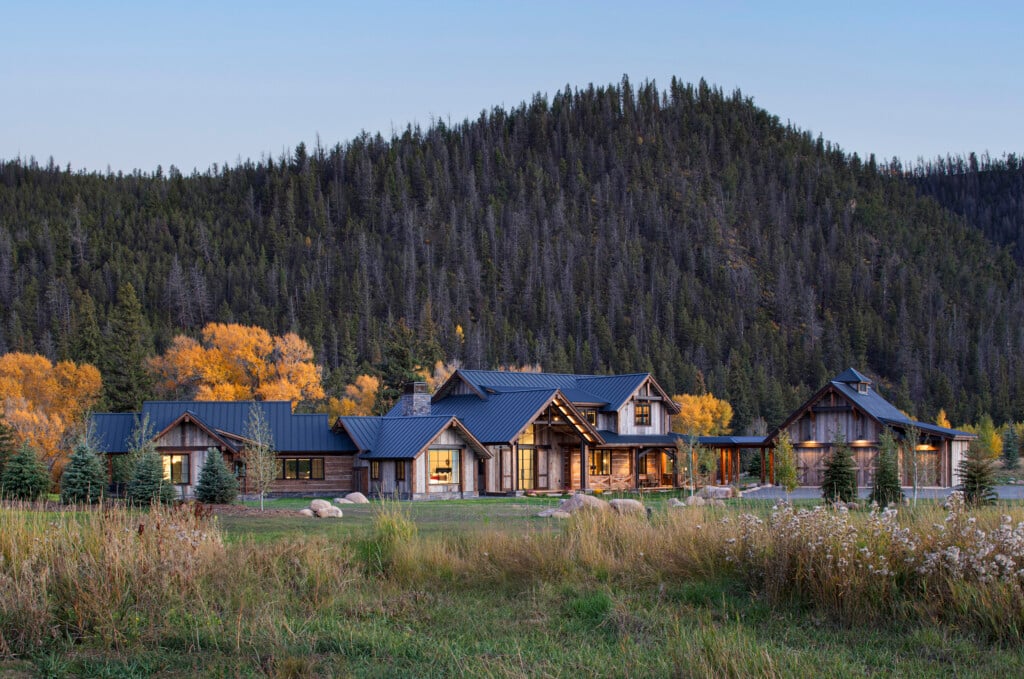
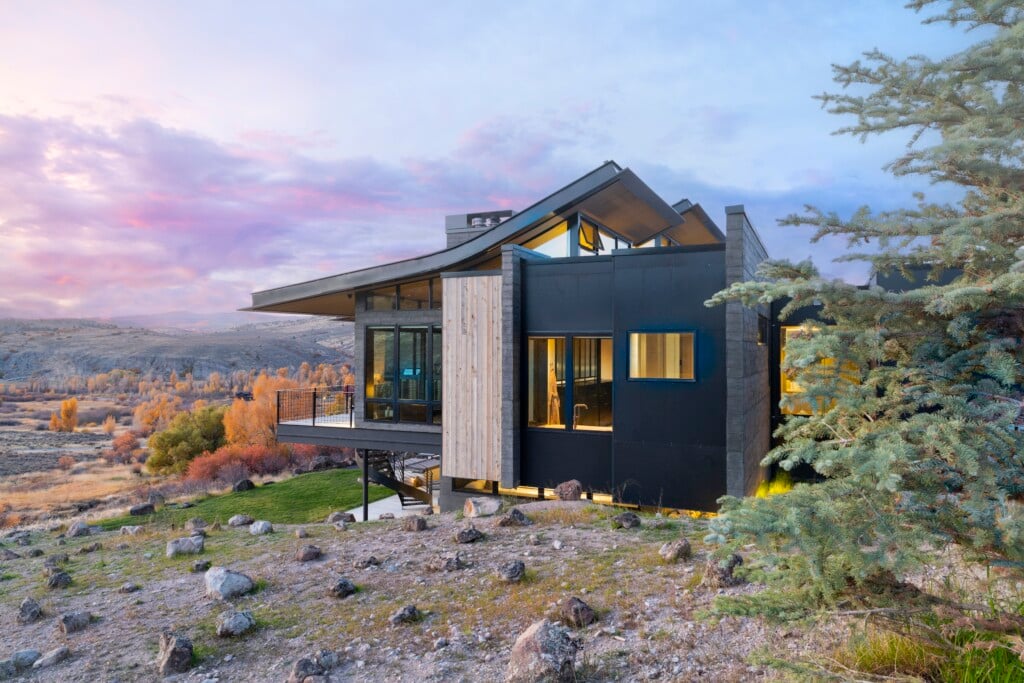
Tucked into the hills on a five-acre site bordering U.S. Forest Service land, their Utah cabin makes use of a south-facing bank of windows framing an expansive view in every direction. “Designed to operate entirely off-grid, the dwelling contains a solar array and a backup generator,” Hampden notes.

Photo: Paul Richer/Richer Images
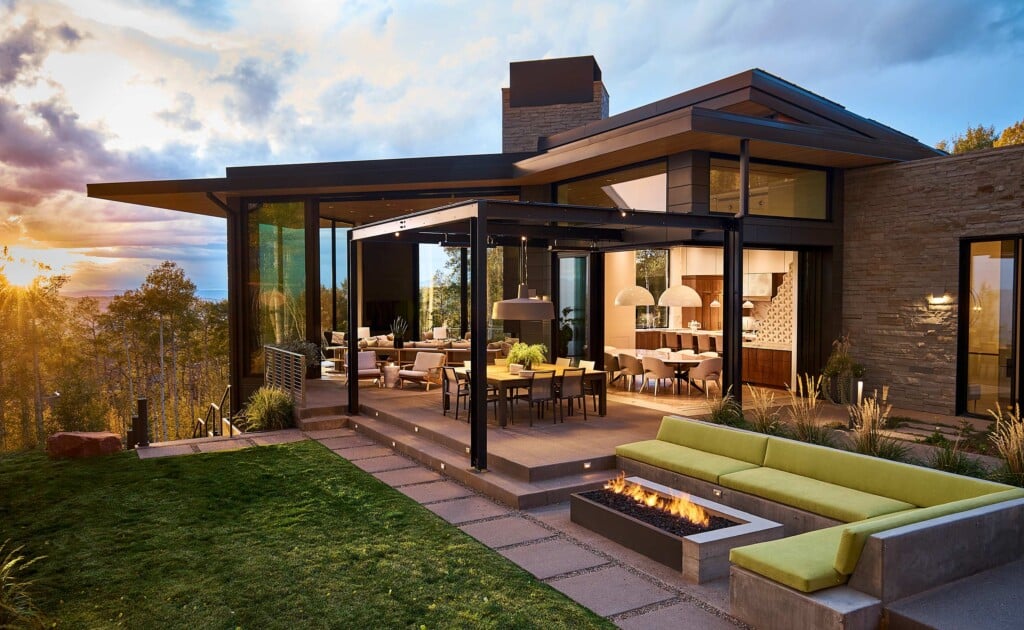
The 1,333 square-foot, single-story sanctuary includes three bedrooms, two bathrooms, a full kitchen and a sauna. The structure’s orientation utilizes placement of glazing and deep roof overhangs to create covered space, optimizing solar gain in the winter and shade in the hot summer months.
“Firewise design strategies are at the heart of the material selections,” emphasizes Hampden. “A rock and concrete perimeter, weathering steel siding, and a metal standing seam roof all contribute to low-maintenance longevity and fire resistance.” Propane is delivered to the site once a year.

Photo: Paul Richer/Richer Images
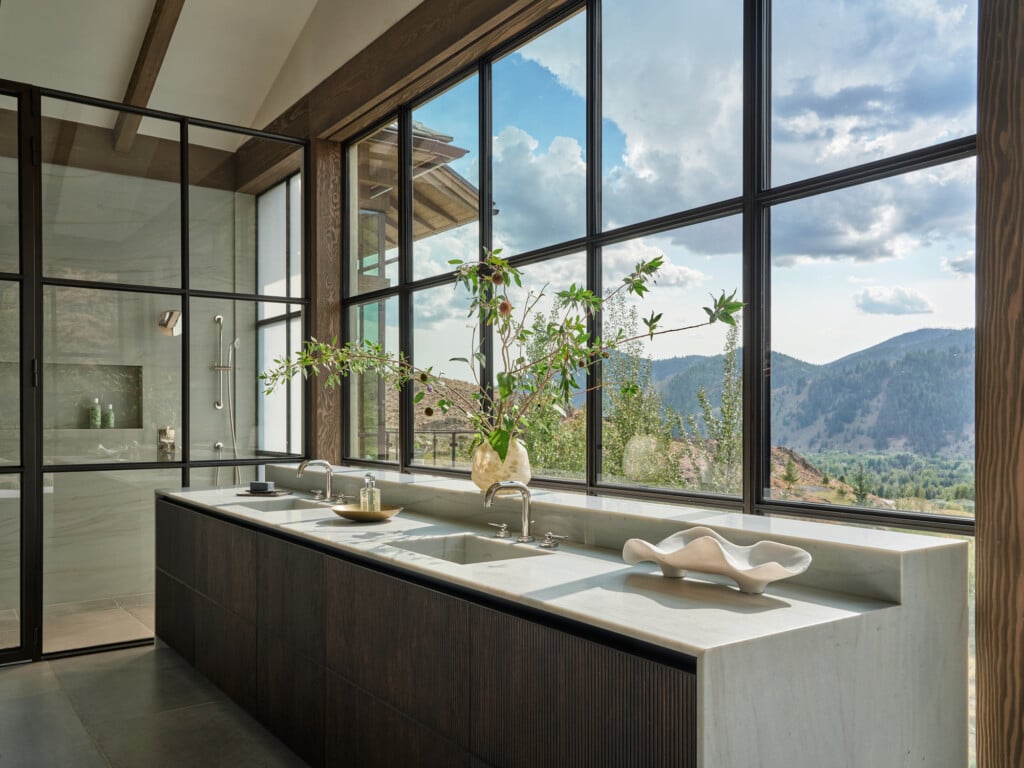
A great room anchors the comfortable living space. Radiant heat underneath the concrete flooring throughout offers cozy warmth in the cooler months. Black granite countertops in the kitchen, alongside a restrained material palette throughout, marry durability, comfort, and meticulous craftsmanship. Douglas-fir window trim provides contrast and texture.

Photo: Paul Richer/Richer Images
Sleeping quarters include a primary bedroom with an en-suite bath. A guest room and a four-bed bunk room share the second full bath. The cabin can easily accommodate two families for a vacation escape without feeling crowded. Amenities include an indoor sauna and a south-facing deck for outdoor enjoyment and al fresco dining. In the winter, backcountry skiing is easily accessible, and a ski area is located nearby.
When snow blankets the ground, a one-mile trek from the highway to the cabin with supplies in tow is required. In the summer, hiking, biking and river fishing are all just a stone’s throw from the dwelling, and a paved driveway provides easy accessibility. “This home was built to meet the challenges of its rural location,” explains Hampden. “The cabin demonstrates that today’s modern, off-grid living can be resilient and deeply connected to place.”
DESIGN DETAILS
ARCHITECTURE – CAST Architecture
STRUCTURAL ENGINEER – Crookston Designs, Brad Crookston
As seen in Mountain Living’s July/August 2026 issue.

Photo: Paul Richer/Richer Images

Photo: Paul Richer/Richer Images

Photo: Paul Richer/Richer Images

Photo: Paul Richer/Richer Images