The Evolution of the 1970s Conversation Pit in Modern Architecture
Yesteryear's groovy feature has evolved into modern, intentionally designed spaces.

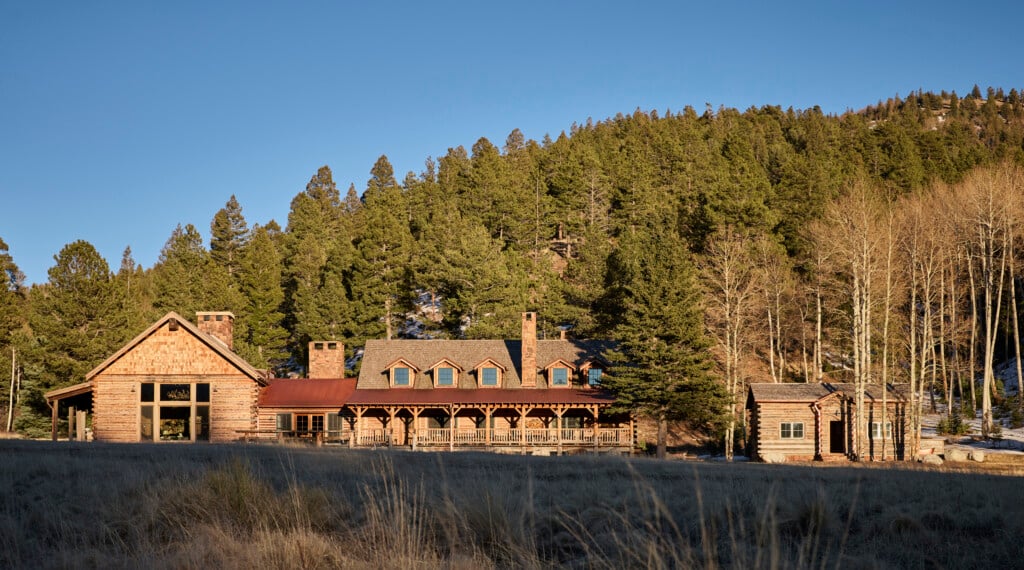
Photo: Courtesy of TKP Architects
Whatever happened to the concept of the conversation pit? It is a question we hear often from friends and clients alike, usually with a mix of nostalgia and genuine curiosity. The story began in 1925 with a young Bruce Goff, who designed the first sunken room for an Art Deco home in Tulsa.
But it was Eero Saarinen who truly launched this concept into the mainstream of American culture with his groundbreaking designs, including the TWA hotel at New York’s JFK airport, and the adoption of a conversation pit into nearly every new American home.

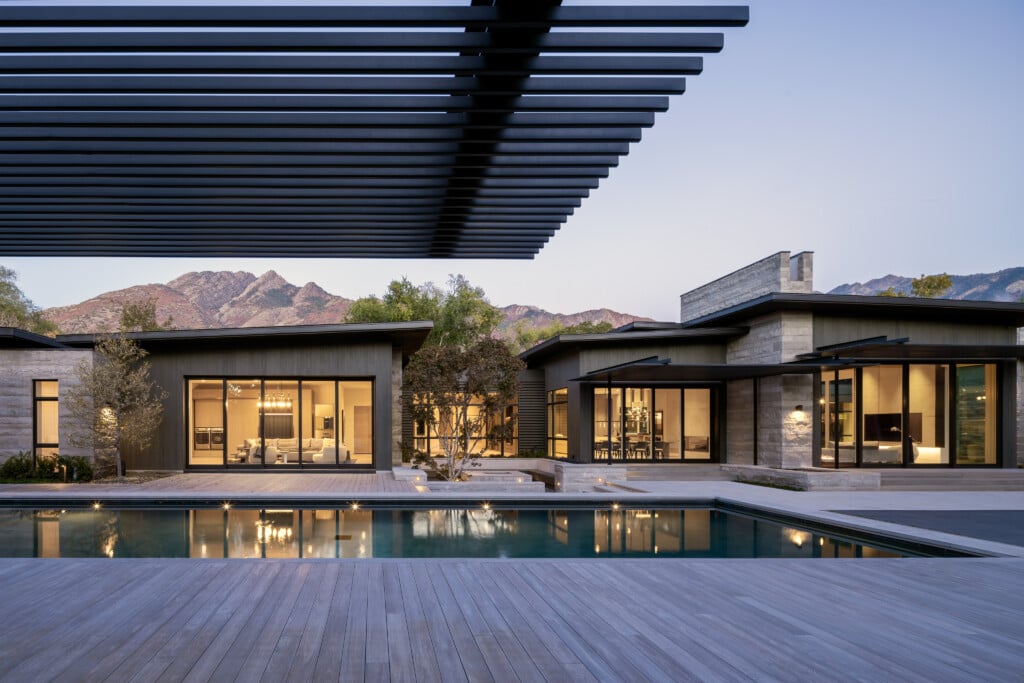
Photo: Courtesy of TKP Architects
In 1962, he designed the TWA terminal at JFK Airport, featuring grand sculptural white curves and bold crimson carpets defined as “Jet Age” glamour. Suddenly, the sunken lounge was everywhere. By the late 70s, it was the centerpiece of the American home for a generation that lived to entertain. What made the conversation pit iconic wasn’t just the furniture-it was architecture doing the heavy lifting.

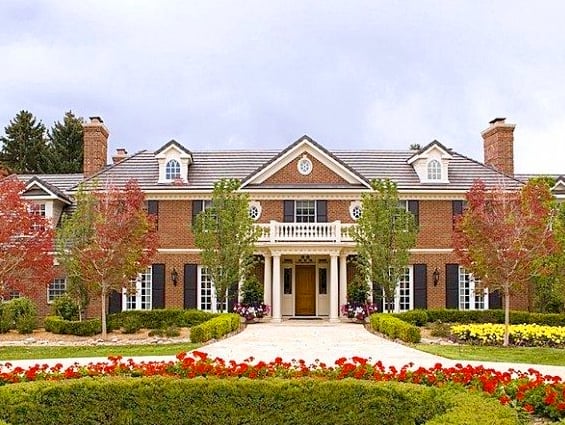
Photo: Courtesy of TKP Architects
Instead of scattered furniture, the conversation pit reached out to pull people together. It offered a rare versatility: you could lounge, perch, or simply dip your toes into the social flow. As quickly as the trend ascended, however, it began to sizzle and fade. The downsides became hard to ignore: they were notorious ankle-breakers lacking safety rails and limiting accessibility for many. The sunken pit felt like, and literally was, a hole in the floor that limited furniture flexibility and couldn’t be easily retrofitted for any other usage. By the 90s, most homeowners were filling them in and writing them off as a simple trend on it’s way out.

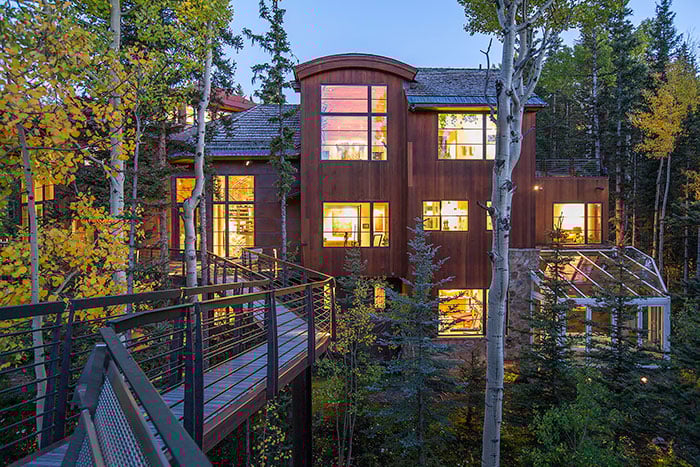
Photo: Courtesy of TKP Architects
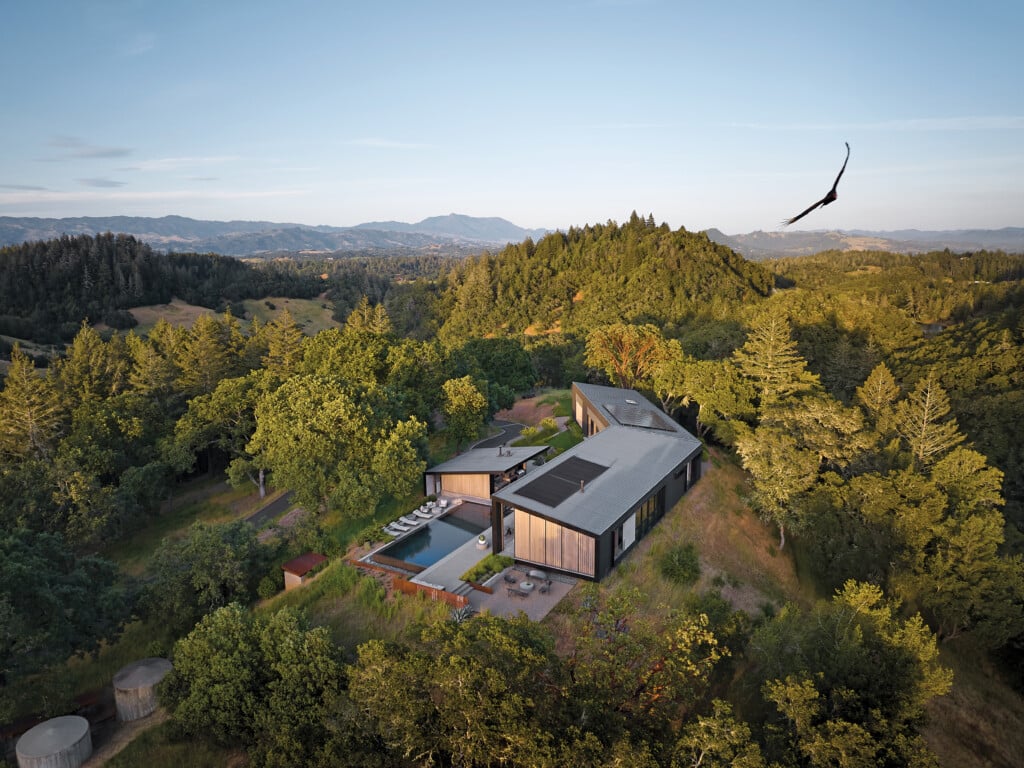
Skip to modern times and there’s been a shift. In an era of sprawling open-concept layouts and cloud sectionals focused on massive TVs in every room, the concept of the conversation pit feels delightfully rebellious. In our hyper-digital world, a space designed purely for face-to-face gathering is the ultimate luxury. The 60’s concept of sunken living rooms designed for conversation has merely adapted and evolved with the times.

Photo: Courtesy of TKP Architects
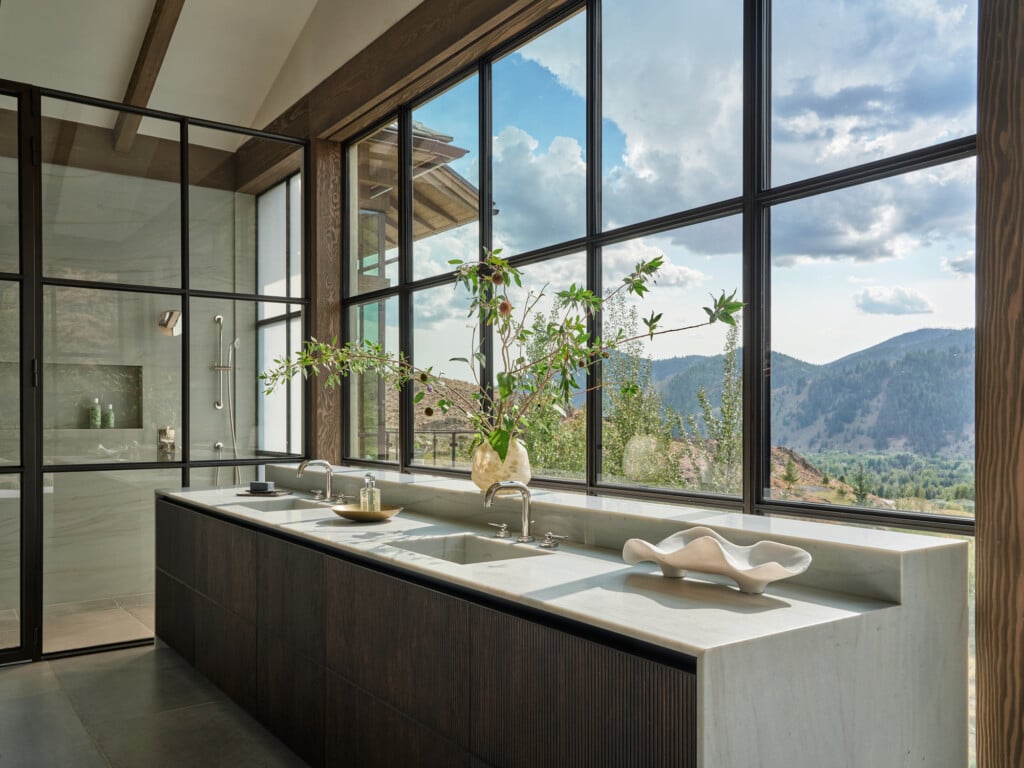
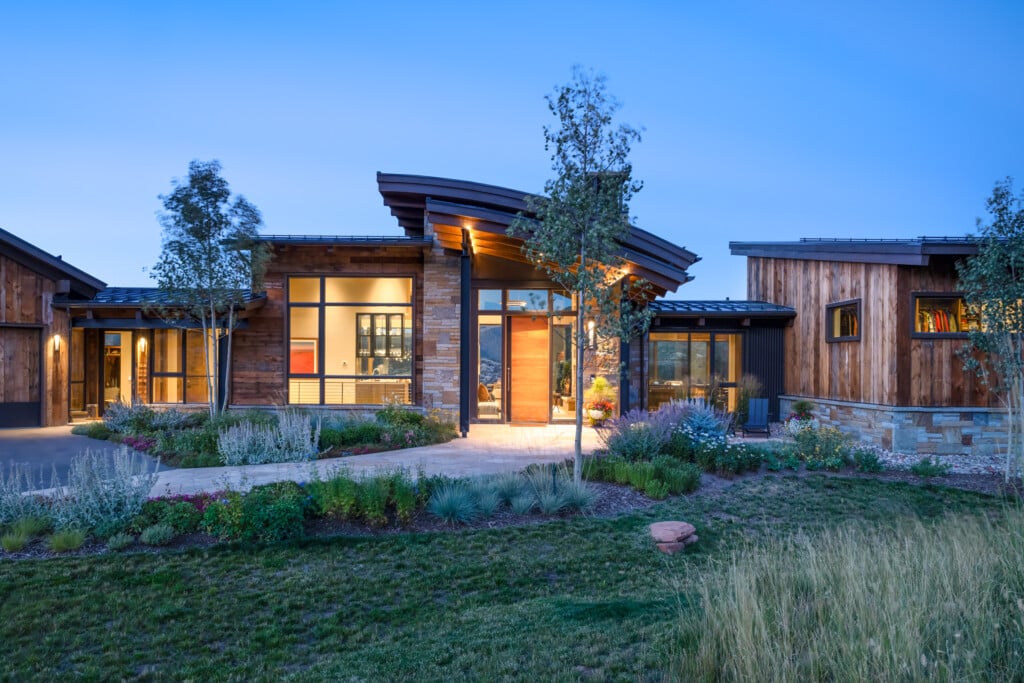
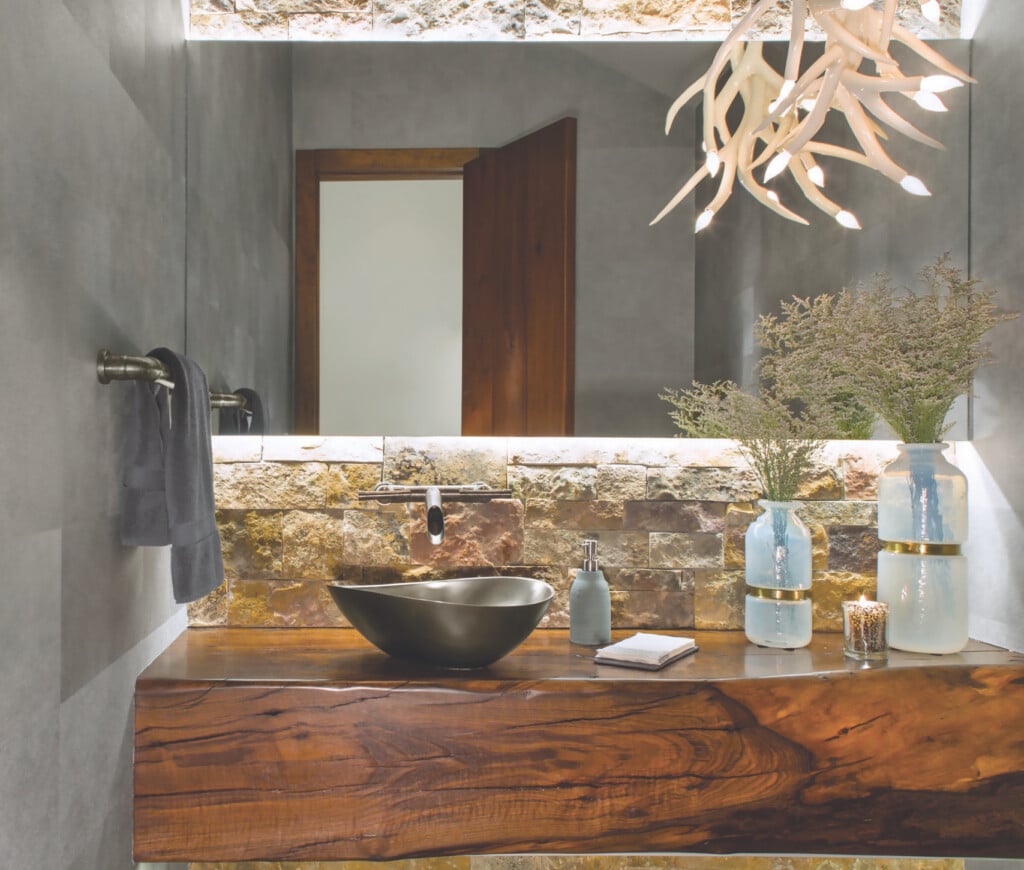
They’ve become outdoor gathering spaces around fire features, wet bars with countertop seating, and even wine rooms with hightop tables, elevated platforms for chatting rather than a recessed pit in the floor. Brown tweed and shag carpeting has been replaced by updated colors and materials. This concept can be tailored to any house design—a space where people can converse, a space to retreat for an intimate conversation, or an “away room” where you can sit back, relax, and reflect. These newly reimagined spaces aren’t cheesy retro throwbacks; it’s all about intentionality – without a TV in sight.

Photo: Courtesy of TKP Architects
Aaron Ruiz is a project manager at TKP Architects based in Golden, Colorado. For over 35 years, TKP Architects has been designing award-winning, memorable, custom homes for the West’s most discriminating clients. View their profile or contact them at 303-278-8840.
Sponsored Content for this article provided by TKP Architects.