The Importance of Understanding the Horizon Line
A primer on foundational architectural principles by the experts at Tabberson Architects.

Photo: Dan Vastyan
When selecting and purchasing property for a Mountain Home, it is essential to consider several foundational concepts that will make the home design process more understandable, intentional and rewarding.
To begin, a few definitions:
The Horizon Line
One of the most powerful of these concepts is the Horizon Line. This is the point that marks the intersection of the Earth and the Sky. It is both a literal and symbolic threshold: where landform meets atmosphere, where permanence meets change, where built form silhouettes the sky. It is the place where the measurable meets the immeasurable and where the physical reaches towards the metaphysical.
The Dimensions of the Earth
Understanding the dimensions of the Earth grounds your building project to its specific place. The slope of the land, orientation to the sun, prevailing winds and the rise and fall of the terrain all shape how a structure should sit. So too do the geology of soil and stone, and the surrounding ridge lines and valleys. These elements anchor the home to its setting and inform how it explains the land rather than imposing itself upon it.
The Dimensions of the Sky
Understanding the dimensions of the Sky introduces the ephemeral and timeless qualities of dwelling. They speak to light, time and atmosphere: the arc of the sun across the day, the changing seasons, the drama of storm clouds rolling over distant peaks and the serenity of the morning air. From the amber glow of dusk to the brilliance of the night sky, these dimensions shape how a home is experienced moment to moment in space, time, rhythm and mood within the home.
The Concept of Place
When Earth and Sky are considered together, architecture becomes more than shelter. It becomes a lens through which you experience place. A thoughtful architect reads the horizon not just as a boundary, but as depth. They will study sight lines, approach sequences, solar orientation, and framed views to help you understand where the horizon should be revealed, where it should be framed, and where it should be softened.
The Horizon Line as Dwelling Datum
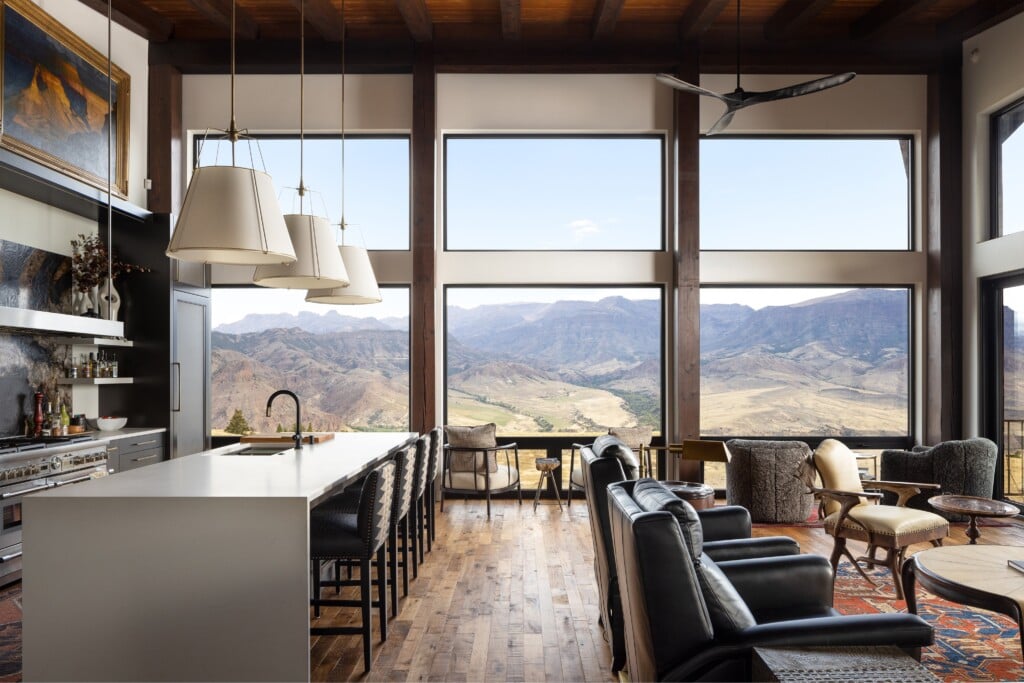
The Horizon Line moves through the spaces where you dwell, aligning with the foundation floor. This Dwelling Datum becomes the base of orientation, organizing the architecture and anchoring the experience of the space. It frames the perspective toward the distant landscape, connects interior and exterior spaces and extends the experience of dwelling beyond its walls, blurring the line between immediate surroundings and the distant landscape.

Photo: Tabberson Architects
Using these foundational concepts in architectural design:
Architects create a spatial experience by studying the site contours, the forested edges, the landscape and water features that define your property. Potential building location is studied using view corridors, daily and annual solar orientation and careful study of the terrain. In a mountain setting, especially, the Horizon Line is dynamic. It rises and falls with ridges and peaks. It shifts as you move across the site. It expands in open meadows and compresses in forested clearings.

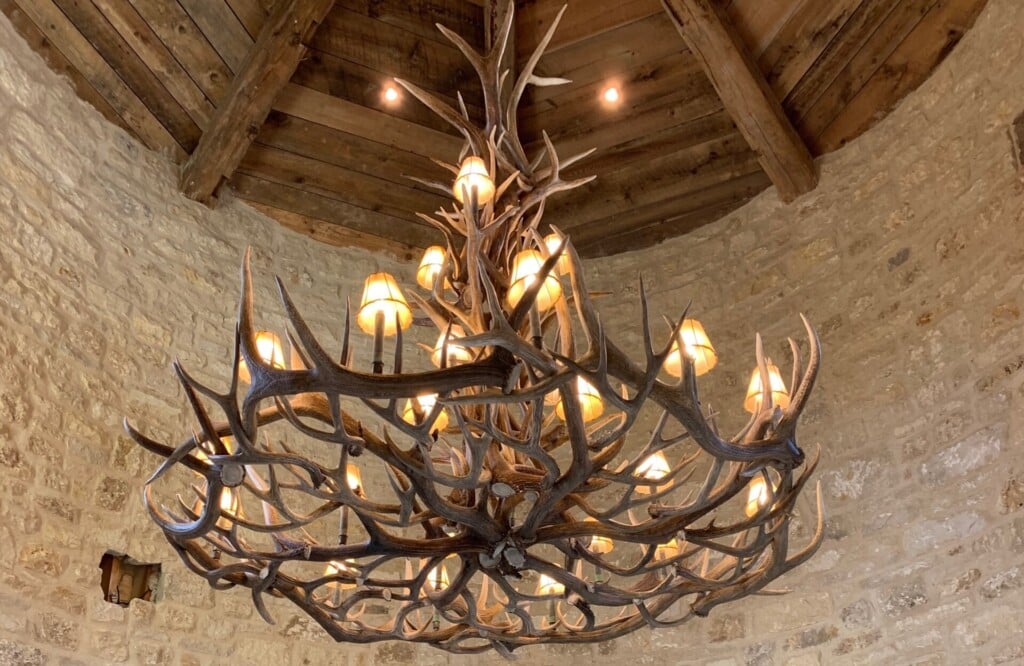
Photo: Nathan Satran
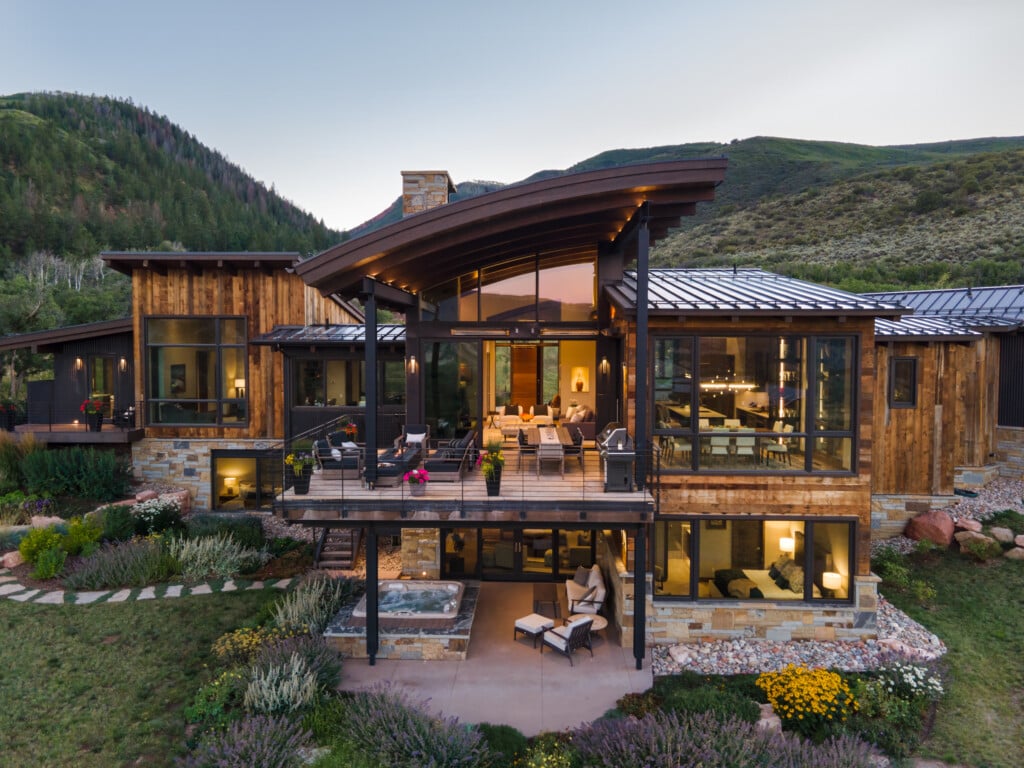
Designing with awareness of these conditions ensures your home is both rooted and expansive. It creates a timeless bond to the land, feeling as though it has always been there, giving meaning to the landscape. When you understand the Horizon Line, the built landscape becomes the poetic intersection of Earth and Sky.

Photo: Nathan Satran
Each day along this Dwelling Datum, you experience the quiet ritual of sunrise and sunset. It is one of the few constants in life, a daily assurance that light will return and that evening will gently follow. You understand dwelling in seasonal terms: the summer and winter solstice, the spring and fall equinox. Sustainability and passive performance grow from this awareness, grounded in the sun’s movement across the sky relative to your specific place on Earth.

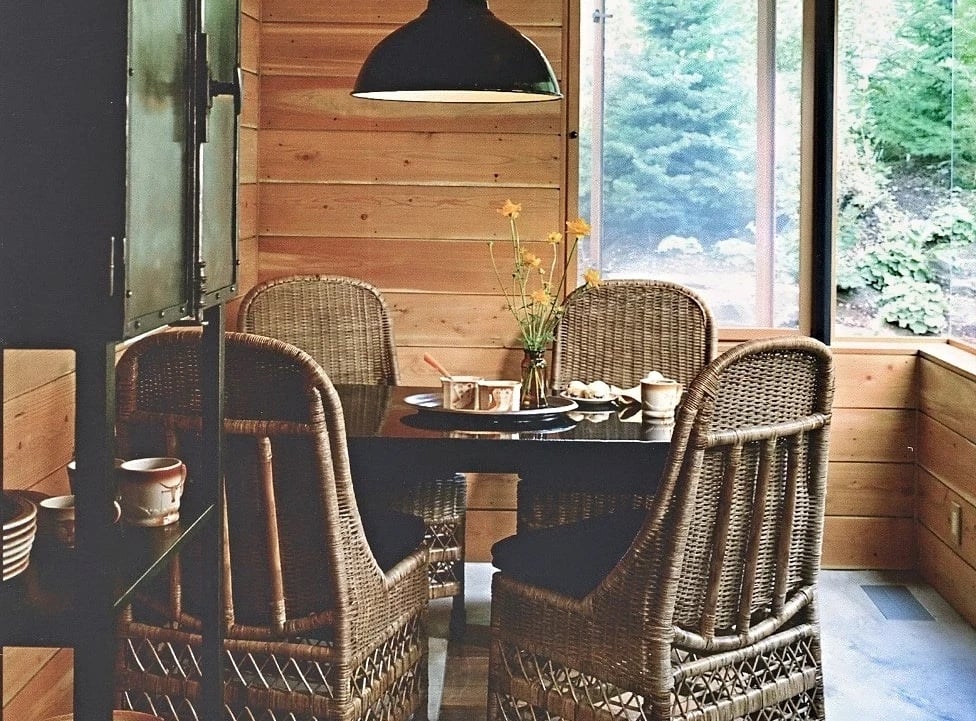
Photo: Tabberson Architects
From this awareness, meaningful spatial experiences emerge: a morning space oriented to the first light of day, an evening space warmed by the glow of sunset, a spring garden alive with renewal, a sheltered winter garden that captures low southern light. These are not accidental moments, they are but patterns of dwelling shaped by the path of the sun across the Horizon Line.
Over time, these daily and seasonal rituals become part of the home’s memory cherished by generations living in harmony with light, land and life. When you design with intention, you create a dwelling that belongs: to the earth, to the sky, and to your lived experiences.
Pamela Harwood is Principal and Co-Owner at Tabberson Architects, a full service architectural firm specializing in timber frame design. For over 25 years, their customized approach has resulted in homes that seamlessly blend with their surroundings and interiors designed to not only captivate but elevate the soul. View their profile or contact them at 317-371-3692.
Sponsored content for this article provided by Tabberson Architects.