Design Foundations: A Conversation with Barclay Butera
The renowned designer discusses a showroom remodel, travel and meaning in design.

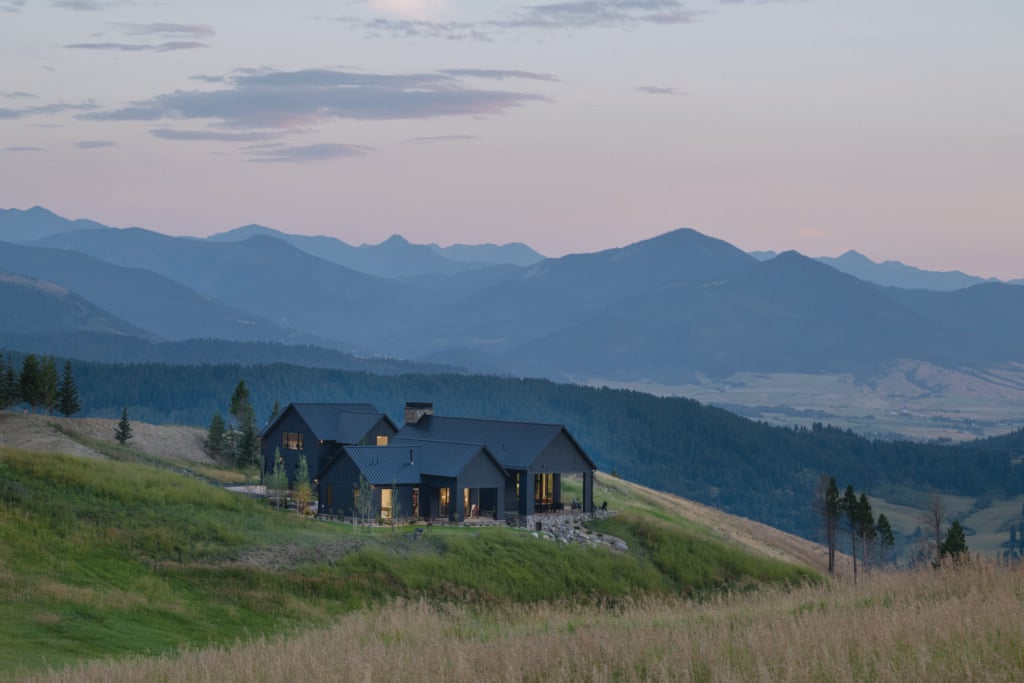
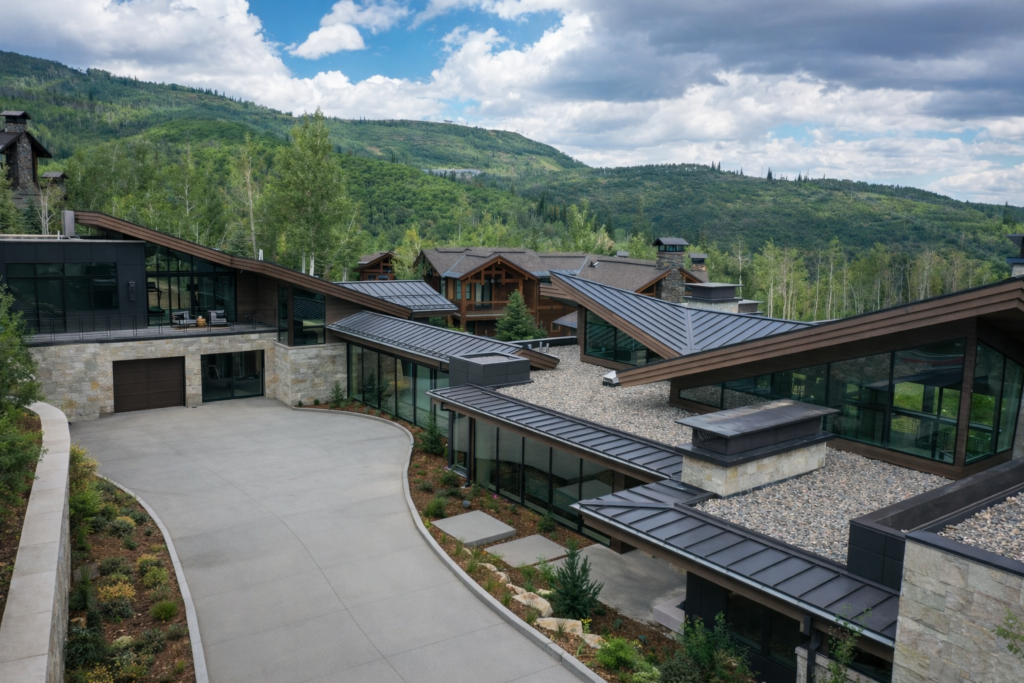
Butera has a long history with the Mountain West. He tackled this beautiful Deer Valley home in stages, and it’s due to be complete by December 2026. | Photo: Zolotaia Photography
After over 30 years at the forefront of design, Barclay Butera needs little introduction. With locations in Newport Beach, California, and Park City, Utah, six books to his name, and over a dozen lines of high-end furnishings, textiles, lighting and other luxury products for the home, Butera stands poised for another decade of innovation.

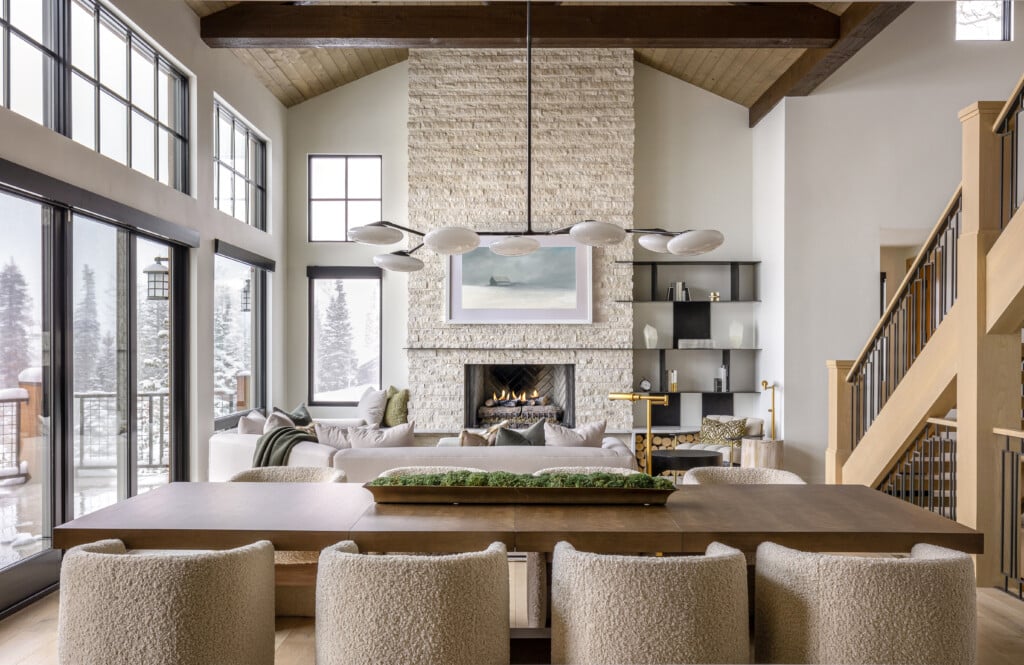
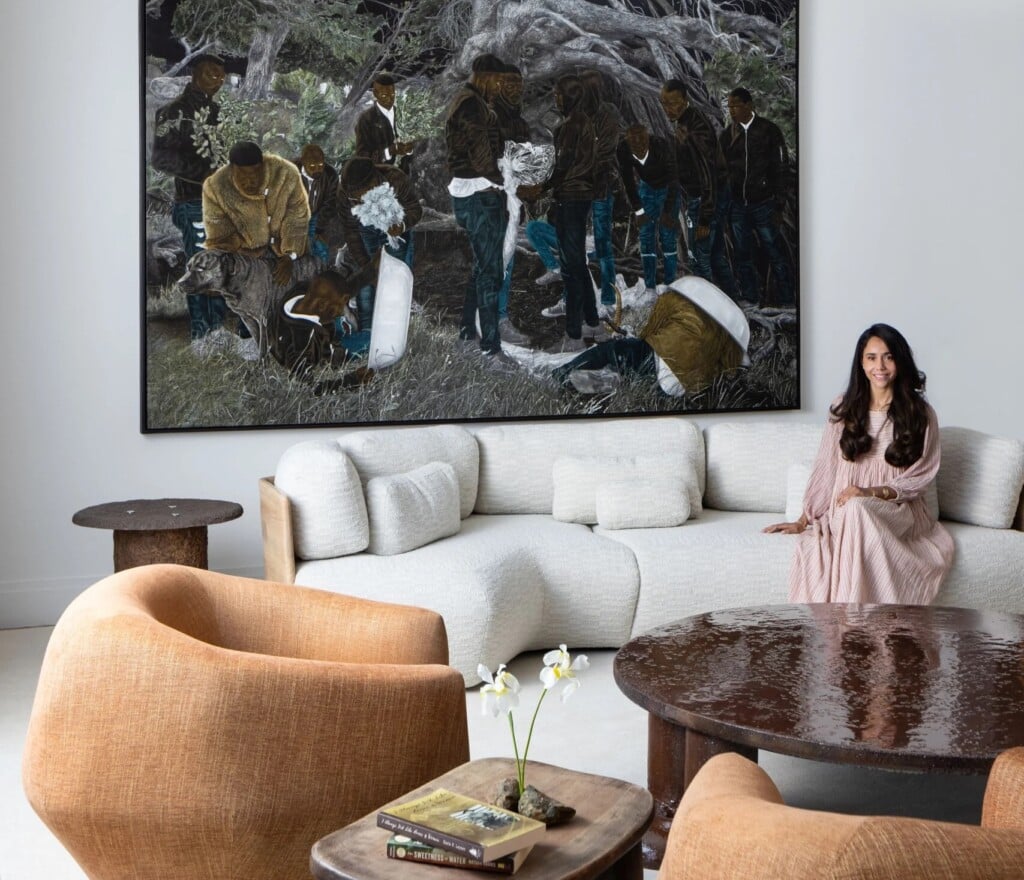
A stunning agate wall piece evokes the majesty of the natural world and highlights the restrained comfort of this Snowmass Village dining room. | Photo: Gibeon Photography
ML: This past fall you reimagined your Park City showroom. What can people expect from the new space?
BB: I took a very traditional showroom and made it contemporary. That was really fun. After 22 years, to change a showroom so dramatically, it made the grand opening an exciting event.
ML: Does that remodel reflect a shift in style happening in the design world today?
BB: It represents my direction in design in Park City. More broadly, I’m seeing a much simpler way to live, especially in the mountain states. Not scaling back in luxury, but scaling back in things, in accessories. People are keeping fewer things in their house. They want to live with less fuss. I’m seeing that a lot: accessorizing a home with the things that have meaning, not just buying things to buy them. It could be heirlooms or gifts or things that they found traveling.
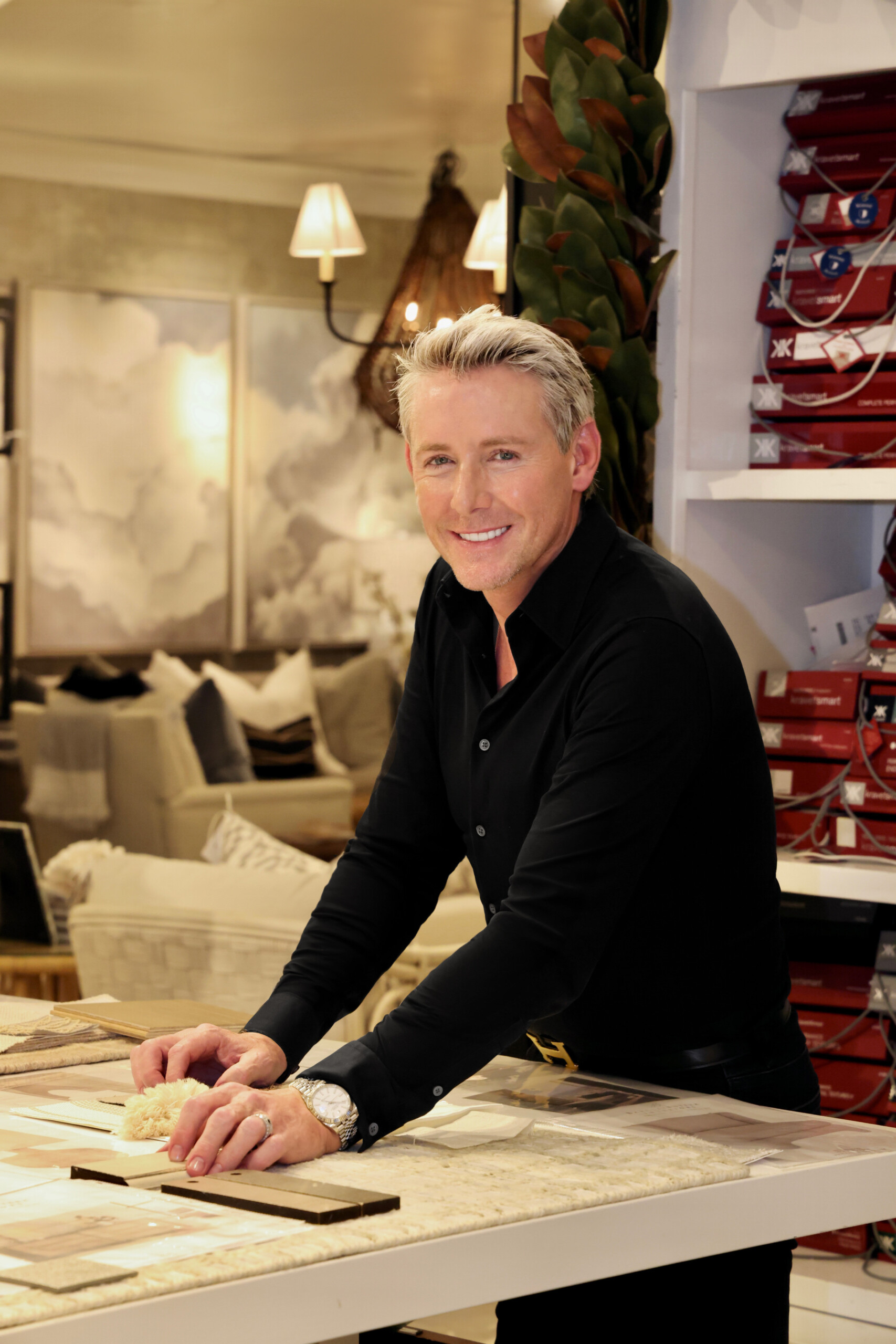
The designer has done over 20 projects for himself personally, and currently has four homes. | Photo: Matheus Cabral Butera
ML: Speaking of traveling, you just got back from a visit to Japan. Does your own travel play a role in your work?
BB: It’s a huge source of inspiration. In Japan, I was fascinated by how they develop paper. I went to a stationery shop where the paper was all washed and handmade with a lot of texture to it, a lot of color.
Things like that really influence me in my product design. I’m sure that paper will turn into textiles, or it’ll turn into wallpaper. It might play a role in furniture. I’m also a firm believer in getting inspiration from cinema. That can be old cinema, any movies that have great interior touches. There’s so much that you can draw from and incorporate, depending on the project, its history and location.
ML: How do those different sources of inspiration fit into your approach to design?
BB: It depends on the project and the client—what’s important for them. But I believe in starting with some sort of grounding element. I strongly believe in the grounding pieces of a room or a home. Those pieces could be area rugs, they could be art, they could be a fabric. You never know. It could even be the exterior.

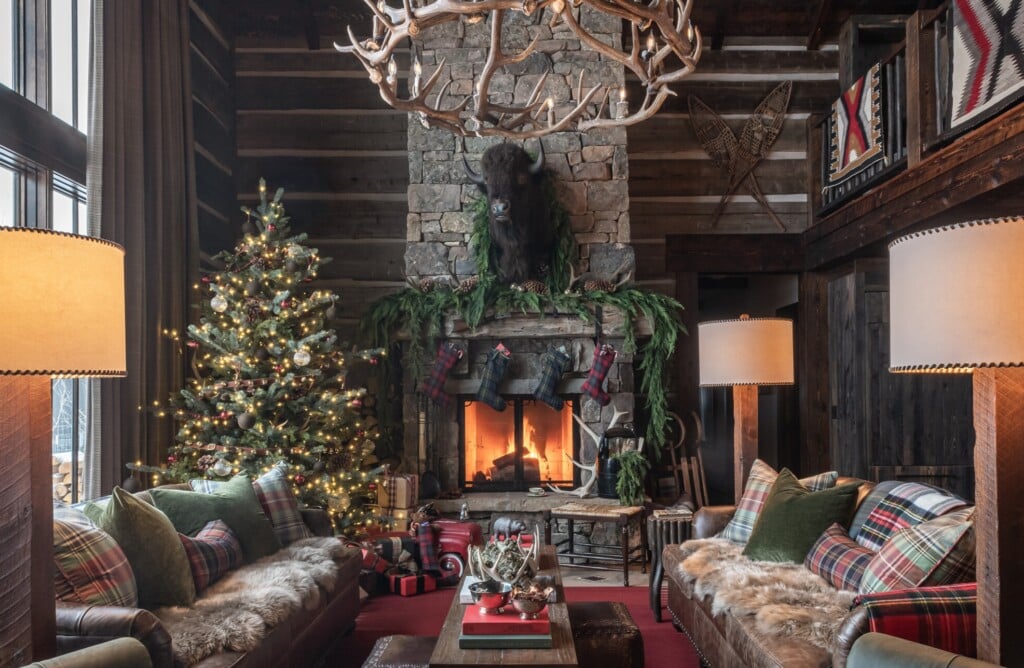
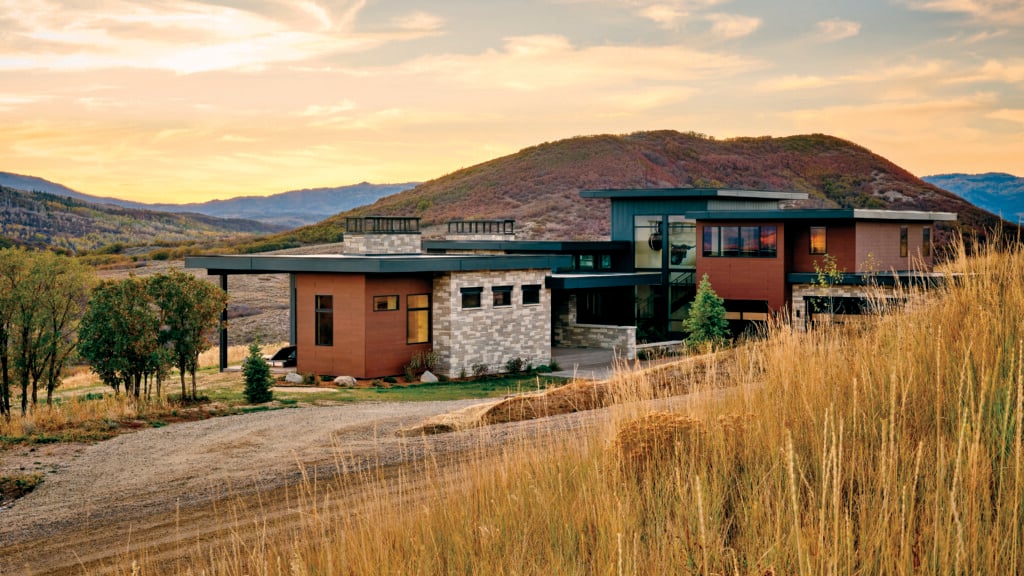
A home in the Silver Star neighborhood of Park City, this primary residence was a remodel for a repeat client. | Photo: Matheus Cabral Butera
ML: Do you ever encounter situations where those anchoring objects don’t quite match each other? How do you accommodate couples who have different personal tastes?
BB: I have a motto I come back to: “Yours, mine, and ours.” It’s a process of melding ideas together. Sometimes a man has views while his wife or partner has a totally different idea. When you get involved in the interiors process and you’re dealing with a couple that has a history, with each one contributing pieces that are meaningful to them, you’re taking those heirlooms and melding them together to create one new idea.
I have to be sensitive to the fact that these things might be more important to people than I ever imagined. It’s kind of like being a therapist for the home. I try to meld it all into an “ours.”

A ski-in, ski-out Deer Valley, Utah, remodel for a couple from New York. “They wanted to update everything,” says Barclay, “but still pay homage to the mountains.” | Photo: Matheus Cabral Butera
ML: With all your travel, multiple showrooms, books and projects across the country, how do you manage to get it all done?
BB: I’m thankful for my 37 employees and 15 interior designers. I couldn’t have accomplished all of this without them.

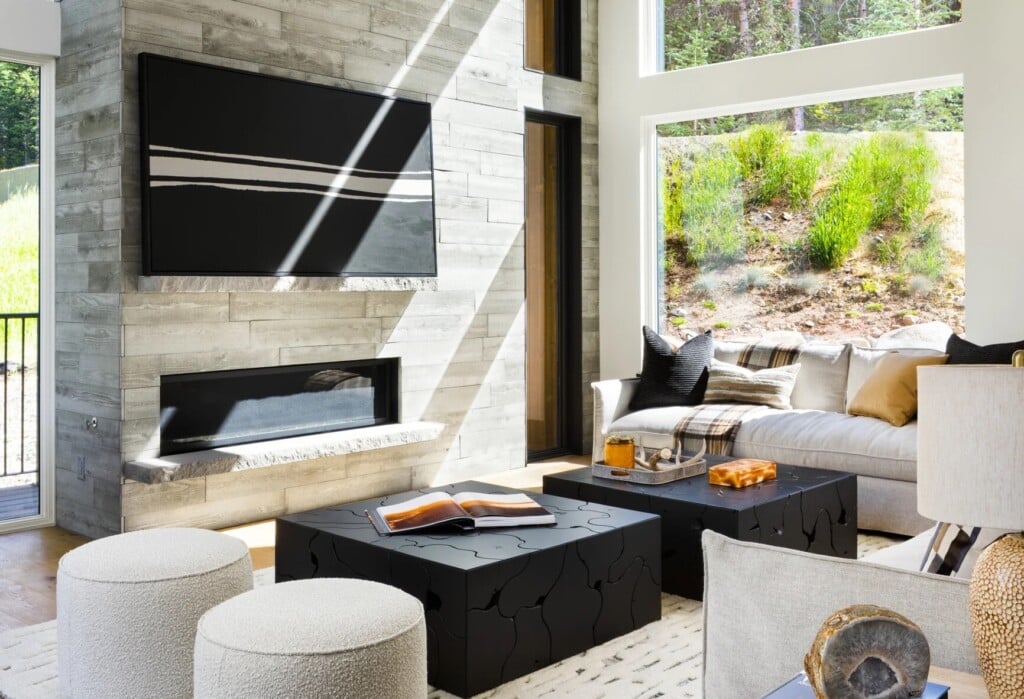
In this model living room for a Snowmass Village luxury condominium development, soft transitional design choices pair with gorgeous mountain views. | Photo: Gibeon Photography