Creating a Sense of Intimacy in Large Mountain Homes
Designing exquisite homes where scale meets everyday life.

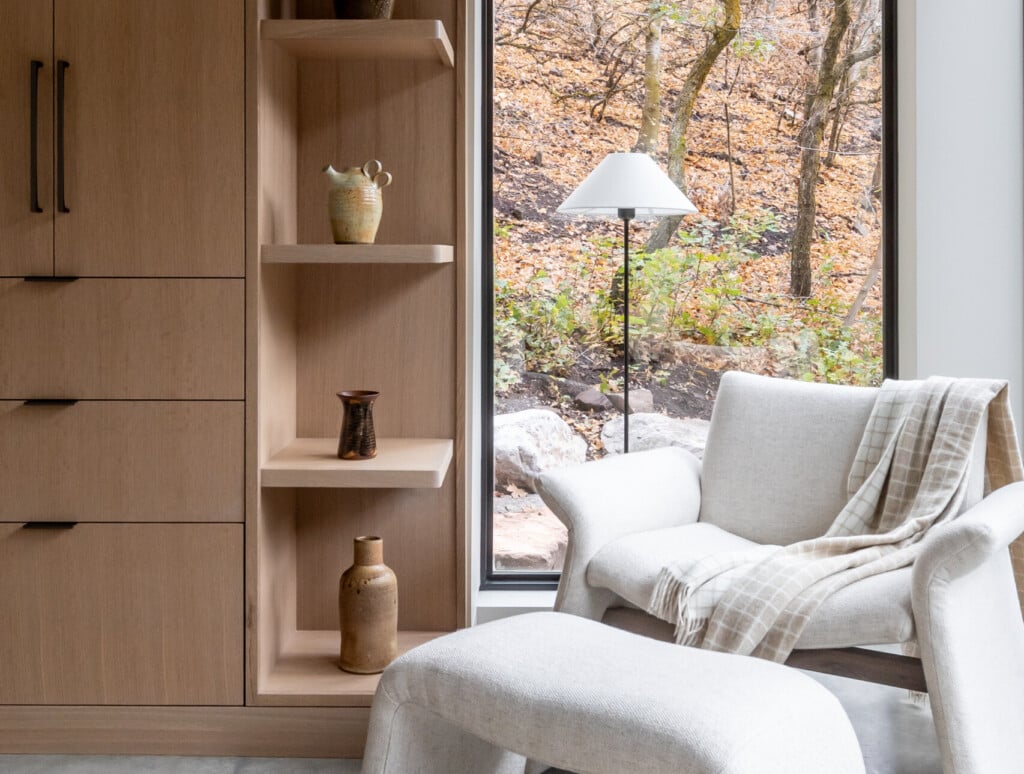
Photo: Brandon Huttenlocher
Designing a 5,000–10,000 square foot mountain home presents a unique paradox. These residences are often created as places for gatherings and celebrations yet most days they are lived in quietly, by one or two people moving through familiar routines. The true challenge is not how big a home can be but how intentional, grounded and deeply livable it feels, even when it is not filled with guests. In mountain environments especially, where climate and landscape shape how homes are used, good design is less about spectacle and more about how a space supports the way people truly live.
Defining the Core Home

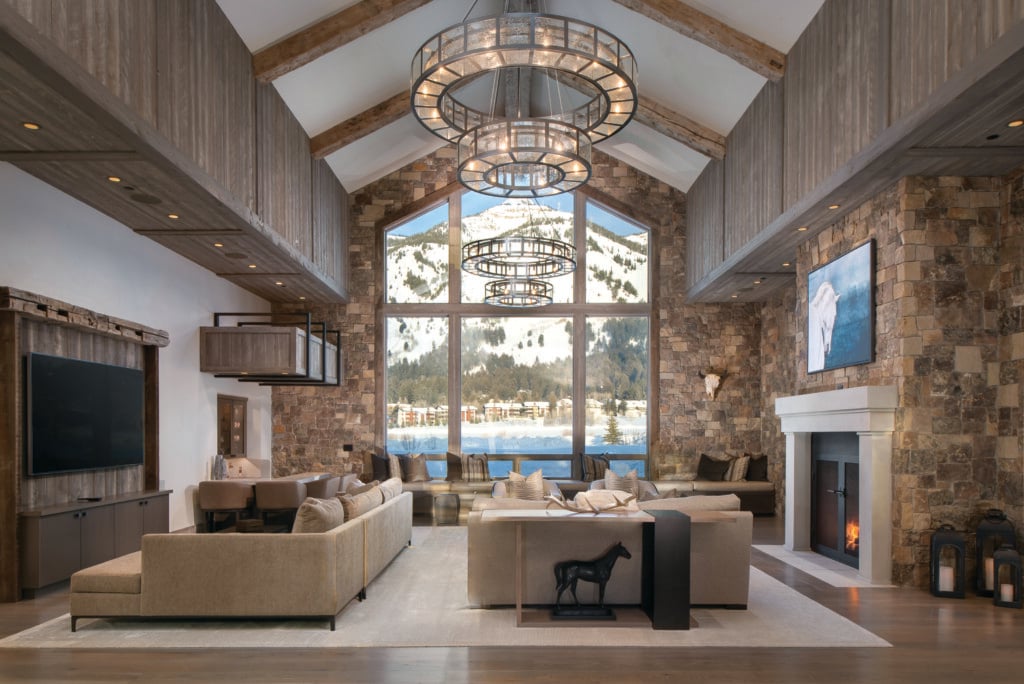
Photo: Stephen Kent Johnson
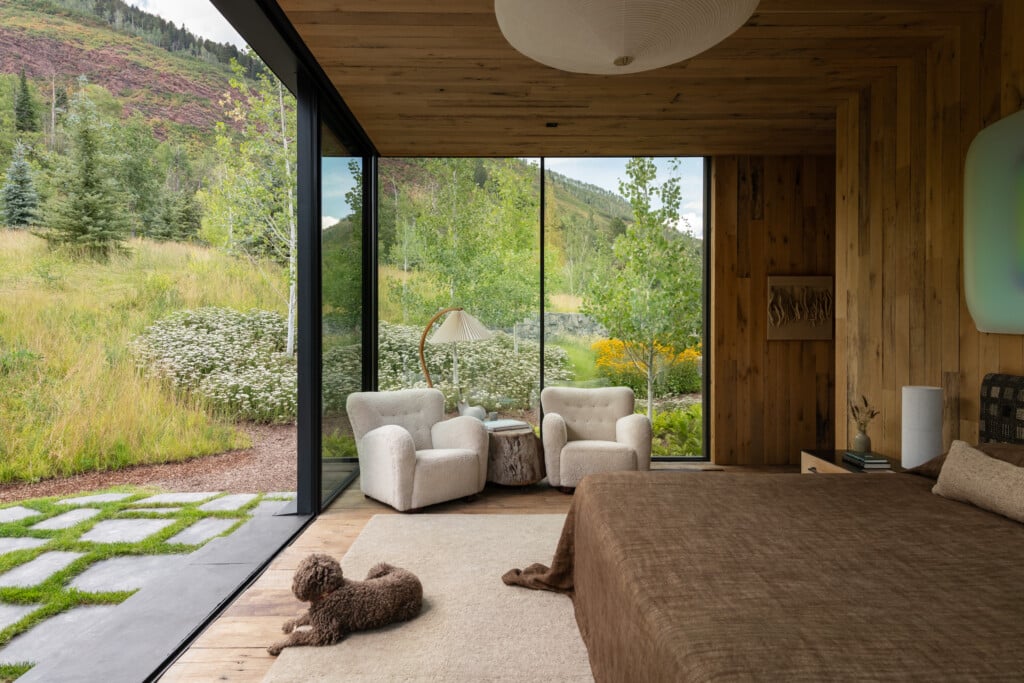
The foundation of intimacy is a clearly defined core home. This core includes the spaces used most often: the primary bedroom, kitchen and dining areas, living or family room and often a home office. Grouped together in a cohesive massing, these rooms form the emotional center of the house. When daily life happens within a compact footprint, the home feels connected and welcoming regardless of its overall size.
Separating Primary and Secondary Spaces

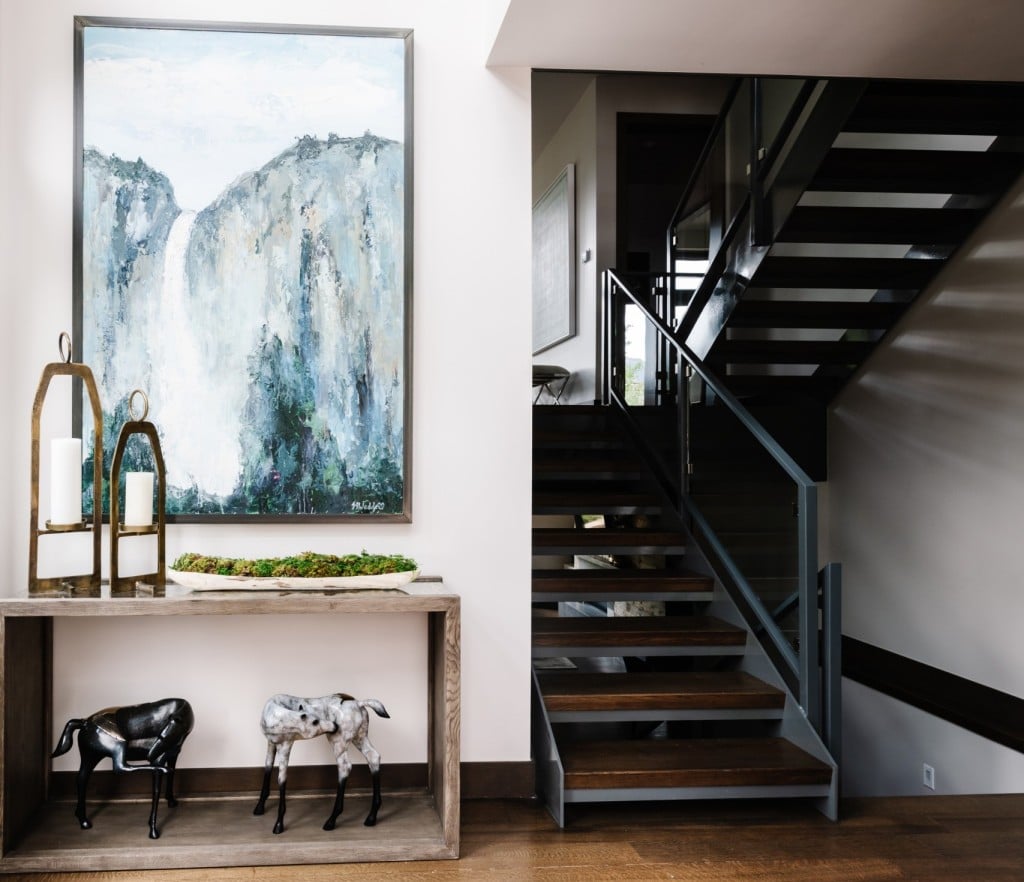
Photo: Brandon Huttenlocher
Secondary and seasonal spaces are intentionally separated from the core. By pulling lesser-used rooms out of daily circulation, the home becomes easier to navigate, maintain and enjoy. This approach allows the residence to function efficiently when lived in quietly while still accommodating extended family gatherings.
Flow and Proximity

Photo: Brandon Huttenlocher
Flow plays a critical role in how a home is experienced. Thoughtful adjacencies, particularly between the primary suite and living areas, prevent the sense of isolation that can occur in larger footprints. Subtle architectural strategies such as layered circulation, transitional vestibules and gently zig-zagging corridors reduce perceived distance and establish a natural rhythm of movement.
Breaking Down the Massing

Photo: Brandon Huttenlocher
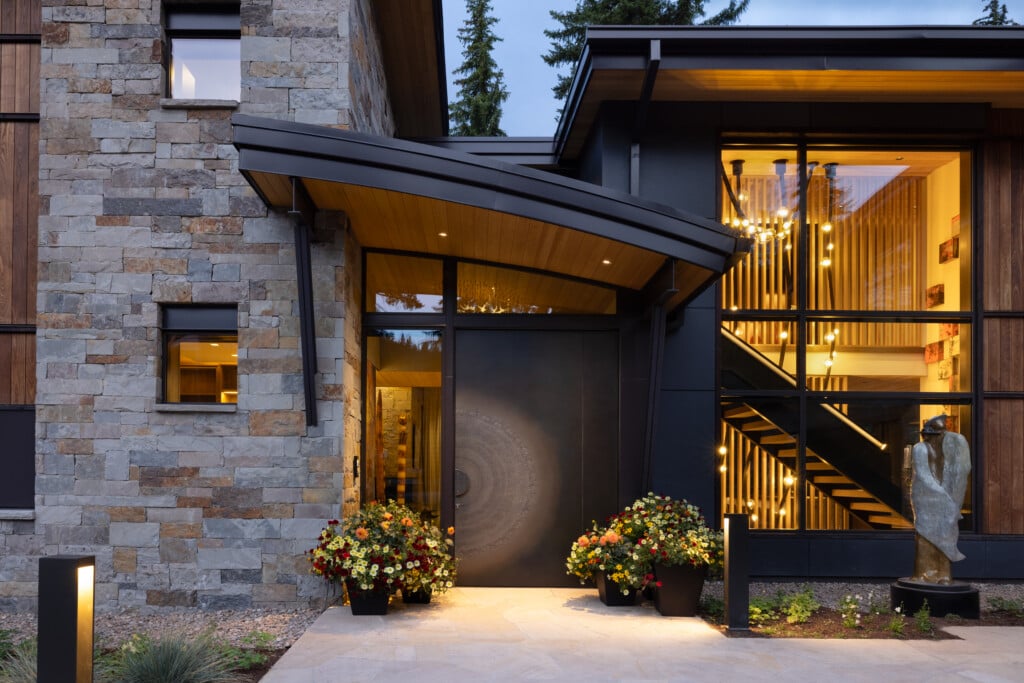
Breaking down massing further supports intimacy. Winged layouts allow large homes to read as a series of connected structures rather than a single dominant volume. Glass connectors and vestibules introduce light, frame views and define transitions, reflecting mountain and ranch views shaped by landscape and function.
Zoning for Comfort and Efficiency
Efficient zoning improves both comfort and energy use. Portions of the home can be closed off and selectively conditioned based on occupancy, allowing unused areas to rest seasonally while the core remains comfortable. This flexibility is especially valuable in mountain environments where homes are often used only occasionally.
Interior Design and Tiers of Care

Photo: Brandon Huttenlocher
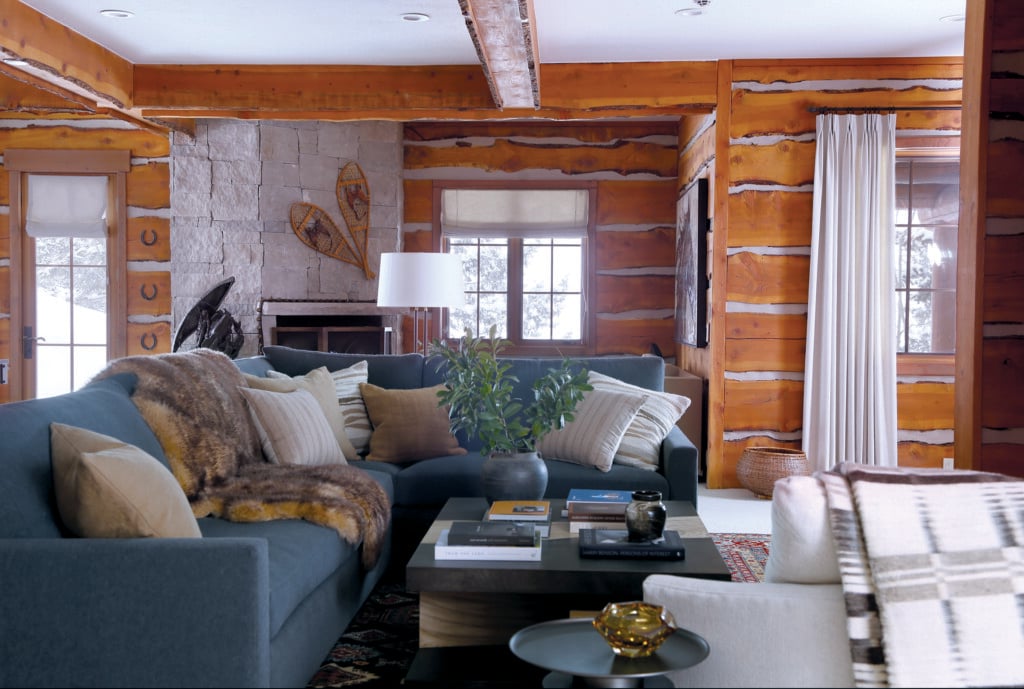
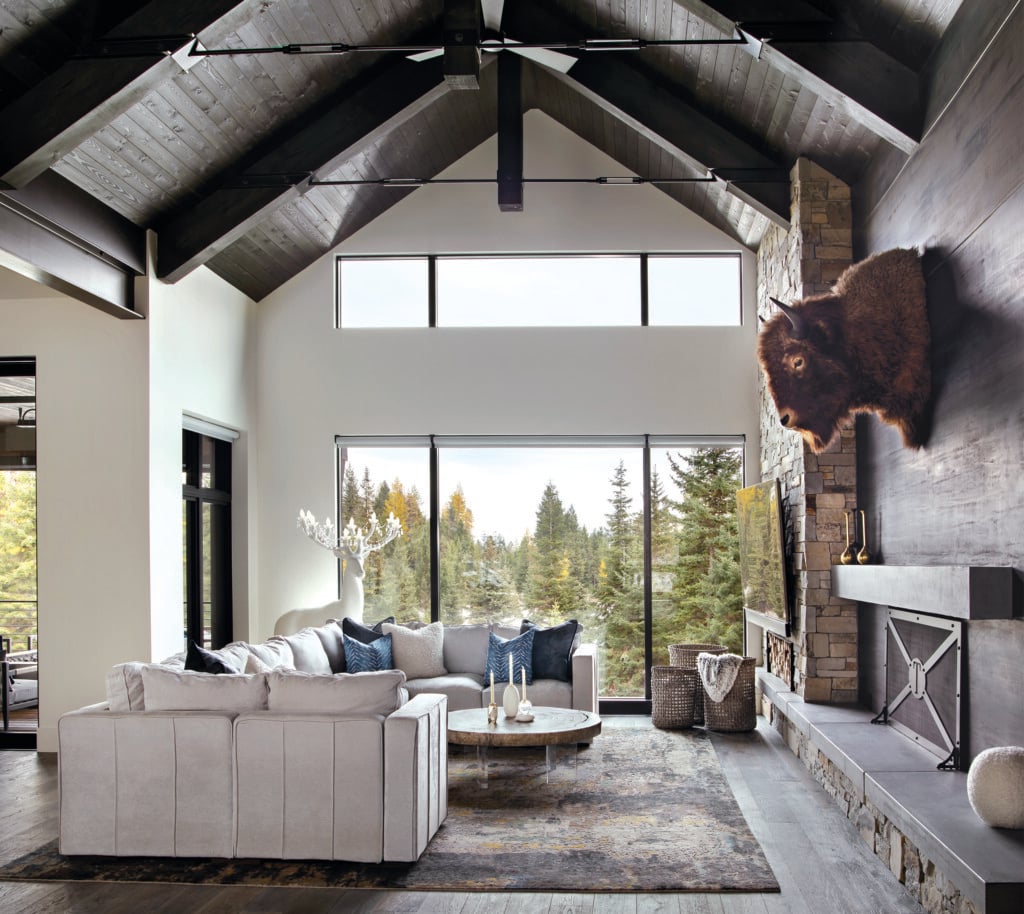
Interior design reinforces these planning principles. The greatest investment of creative energy is focused on the core spaces where daily life unfolds. Secondary areas can be designed for durability and ease, establishing clear tiers of care throughout the home. High-use spaces such as mudrooms can become functional design moments, offering an opportunity to blend rugged performance with refined detail.
Designing for Legacy Living

Photo: Brandon Huttenlocher
Many mountain homes are designed with legacy in mind, serving multiple generations over time. Guest wings and clustered bedrooms create cozy retreats that emphasize warmth and privacy over size. In ski environments, especially, comfort and function often matter more than square footage.
Guiding the Process
Ultimately, intimacy in large mountain homes is achieved through restraint and intention. By prioritizing how people actually live and guiding clients through thoughtful decisions early in the process, architects can create homes that feel warm, personal and supremely functional.
Cristof Eigelberger is CEO and Founding Principal at Eigelberger Architecture & Design, an architecture/interior architecture firm located in Aspen, Colorado. EAD’s foundation is based on creative thinking, innovation, quality and environmental sensitivity. View their profile or contact them at info@eigelberger.com or 970-300-3423.
Content for this article provided by Eigelberger Architecture & Design.